30 Years in The Game, We Ask What Makes a Parmigiani?
Parmigiani demonstrates that a focus on traditions doesn’t mean that there isn’t room for modernisation
It is impossible to talk about Parmigiani Fleurier as a brand without talking about Michel Parmigiani. More than just imparting his name to the brand, he gave it a solid foundation to be built upon. At a time when the world seemed to be moving towards quartz oscillators and mass production to replace mechanical watchmaking, Michel understood the importance of preserving traditional horology techniques, even dedicating his career to the restoration of traditional timekeeping devices. So, in fact, although the Parmigiani brand was established in 1996, the founder, through his meticulous work with rare and complex masterpieces of the past, brings with him skills in mechanisms, finishing, and decorative arts that predate the founding of the brand, sometimes by centuries.
It was Michel’s knowledge in horology that eventually led him to the founding of Parmigiani. Earning international recognition for his work in restoration, Michel Parmigiani was invited to work with the Sandoz Family in 1978 restoring and maintaining their exceptional collection of rare timepieces. According to the brand, Michel described this monumental project as a “bridge to 500 years of horological history,” and thus began a lasting partnership with the Sandoz Family Foundation. Impressed by the craftsmanship of Michel Parmigiani, the family eventually provided the financial backing to establish Parmigiani Fleurier in 1996. During its debut, the company had 52 references in its collection, ranging from simple to complex movements, chief among them the Toric Quantième Perpetual Retrograde, which remains, officially, the first wristwatch that the Parmigiani Fleurier brand ever made.

Today, the brand is a fully integrated manufacture, capable of making almost every part of the watch in-house, a feat that remains quite rare in the industry. And although Michel Parmigiani himself has taken a little bit of a back seat from the operational side of things, his ethos for the brand remains more alive than ever. In fact, in the last couple of years, with their current CEO, Guido Terreni, at the helm, the brand seems to have found new strides thanks to its focus on something it calls “private luxury.” It is the conviction that Parmigiani should be a brand that always stays a little bit under the radar. On the wrist it is not showy or ostentatious, but the seasoned connoisseur will know. I had the pleasure of speaking with Terreni on multiple occasions and he says this take on Parmigiani was inspired by none other than Michel Parmigiani himself. Ever the softspoken and gentle man, Michel has a personality that the brand direction seems to embody, and, of course, the craftsmanship and technical knowledge within the manufacture represent the experience he has accumulated over the entirety of his watchmaking life. So, on the occasion of the 30th anniversary of the Toric collection, which practically also marks the 30th anniversary of the brand, we ask the question: In today’s era, what makes a Parmigiani?
Surviving for 30 years in an industry so saturated with players is no easy feat, so when a brand hits this milestone, it is definitely cause for celebration. And just as at the beginning of Parmigiani’s history, the 30th anniversary celebration is rooted in its Toric collection. The Toric Anniversary Collection, as it is called, offers three Toric references, starting from the simplest Petite Seconde to a Quantième Perpétuel (perpetual calendar) and finally a Chronograph Rattrapante. Each of these references will be produced in limited quantities and, of course, the magic number here is 30 pieces, individually numbered.
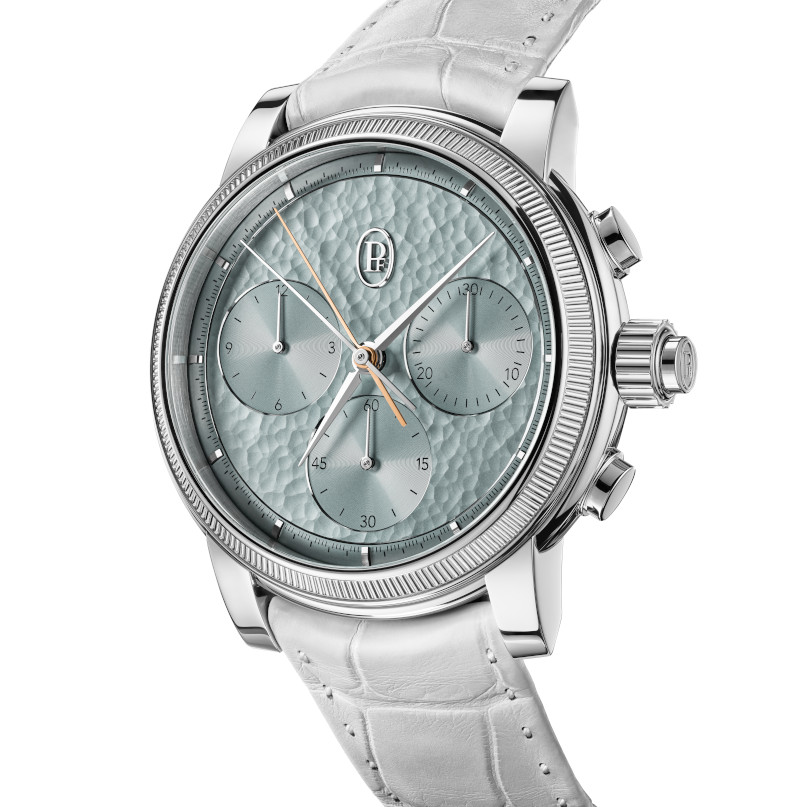
These complications are not novelties for Parmigiani, as both the Petite Seconde and Chronograph Rattrapante had been launched when the new Toric collection was first unveiled in 2024, and the Quantième Perpétuel last year. Interestingly, when Parmigiani relaunched the Toric, it brought with it its own set of pillars, adding on to the original philosophies of the collection. The original Toric was designed to be a juxtaposition of classical architecture, mathematical harmony and exceptional craftsmanship, and with the new Toric, Parmigiani decreed that the collection will only ever exist in precious metals and always with a pin and buckle strap so that the view of the movement is never obscured.
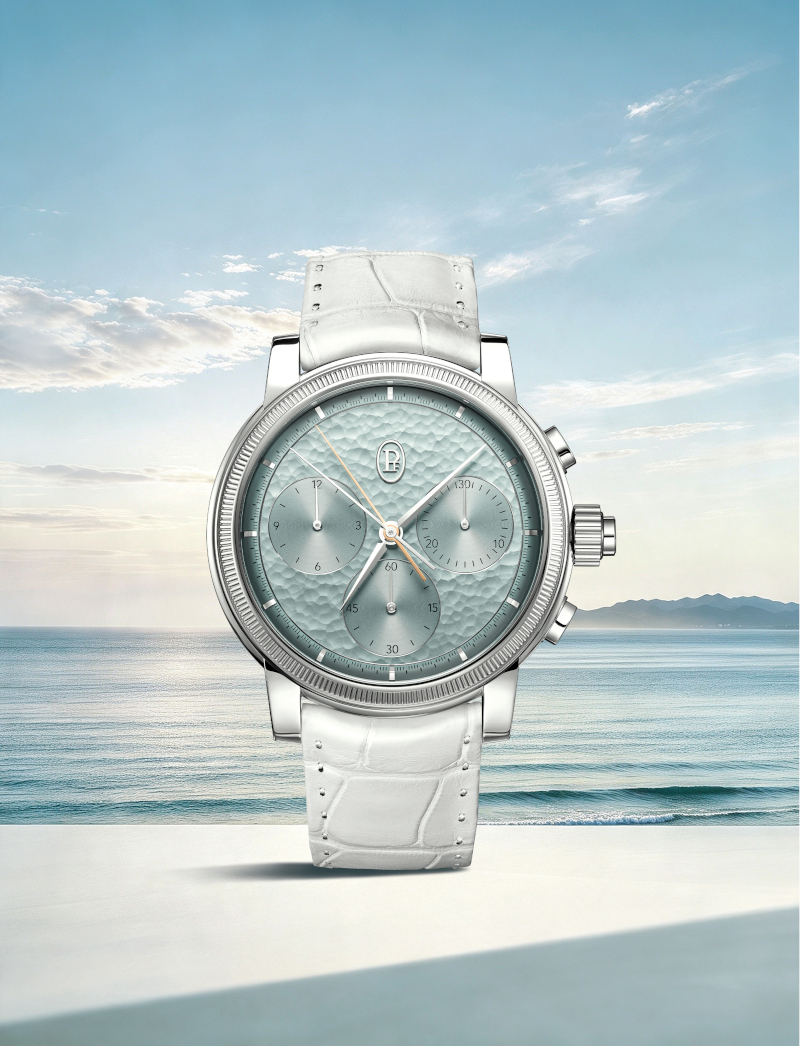
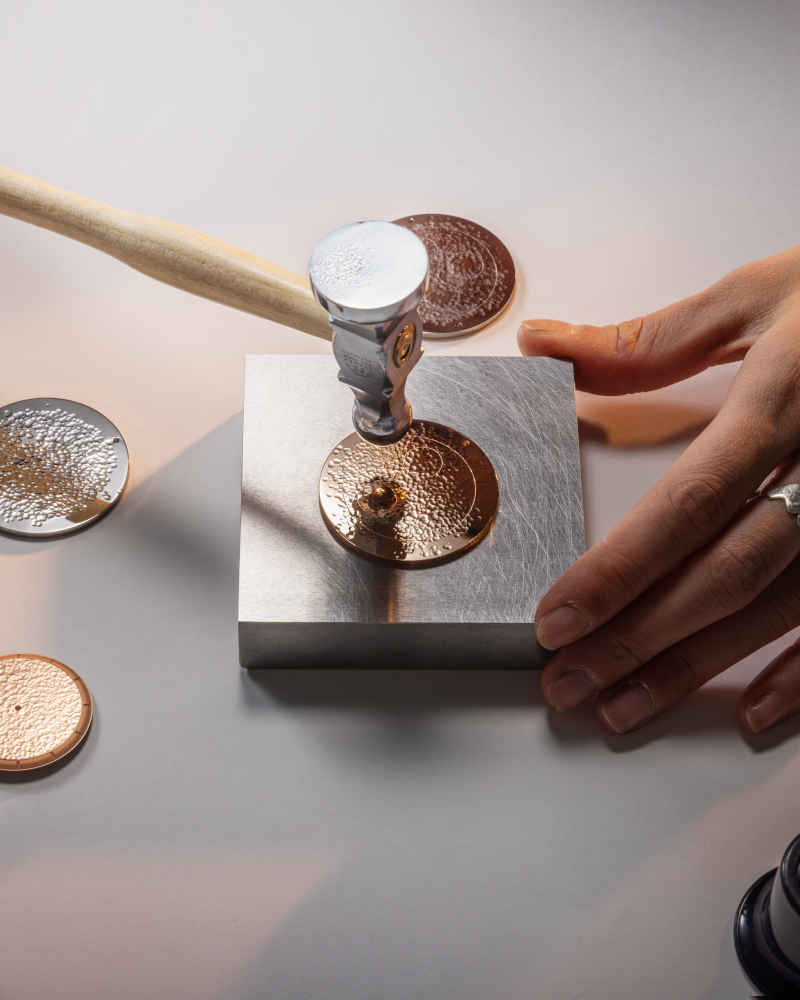
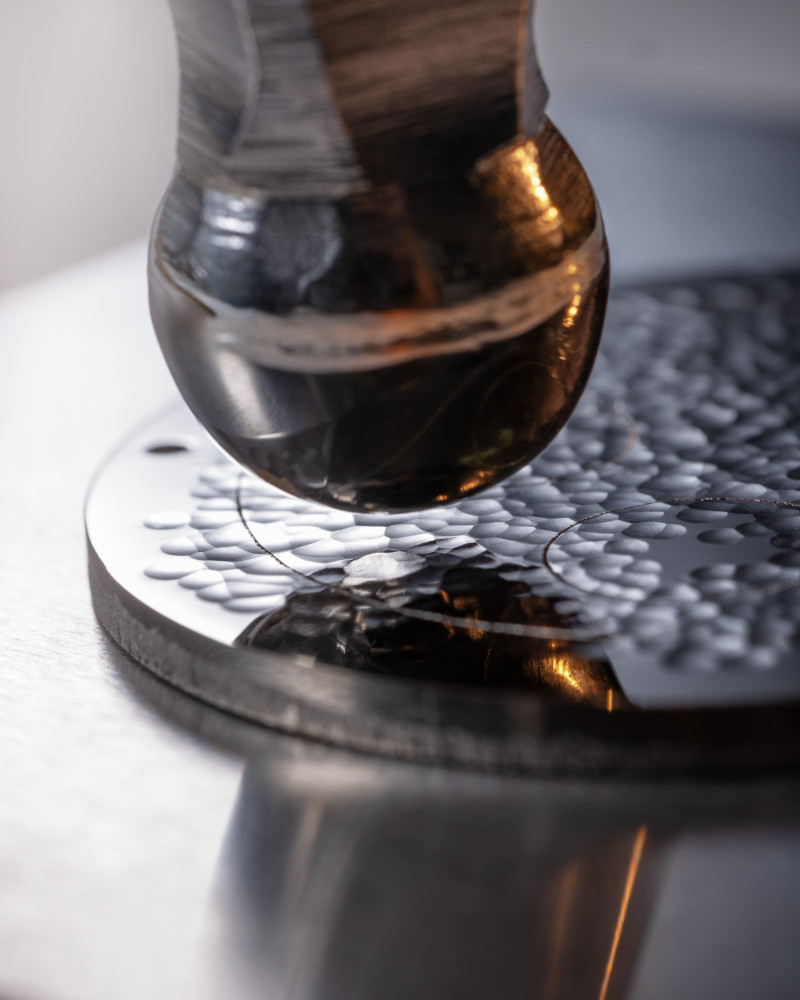
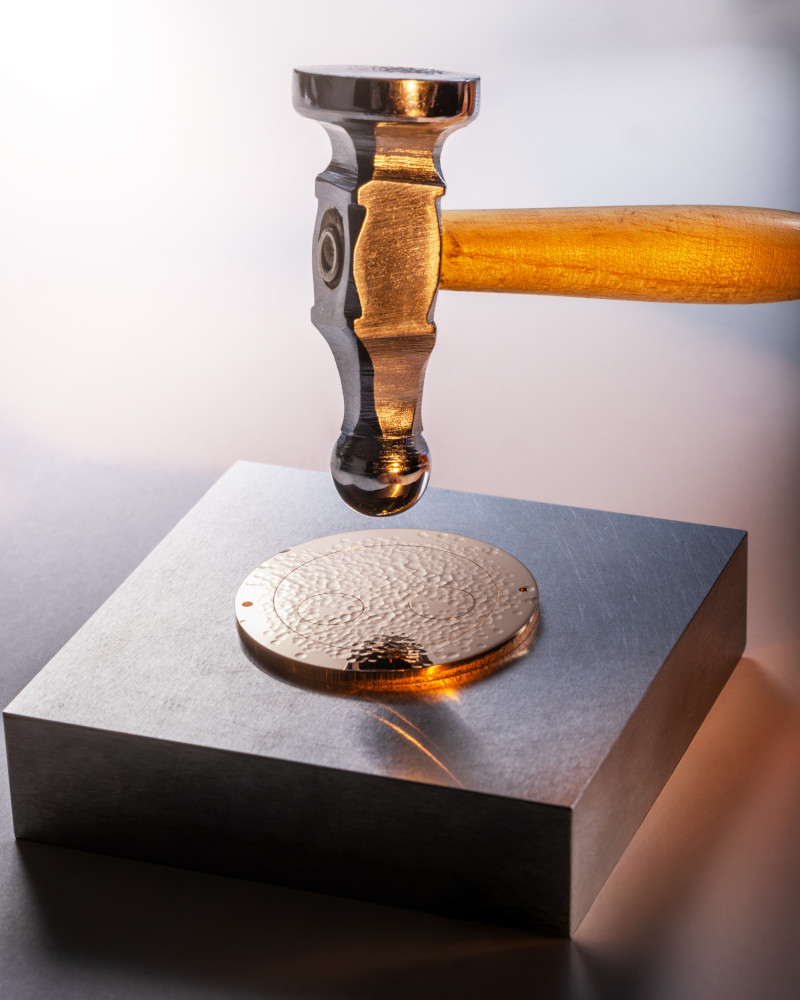
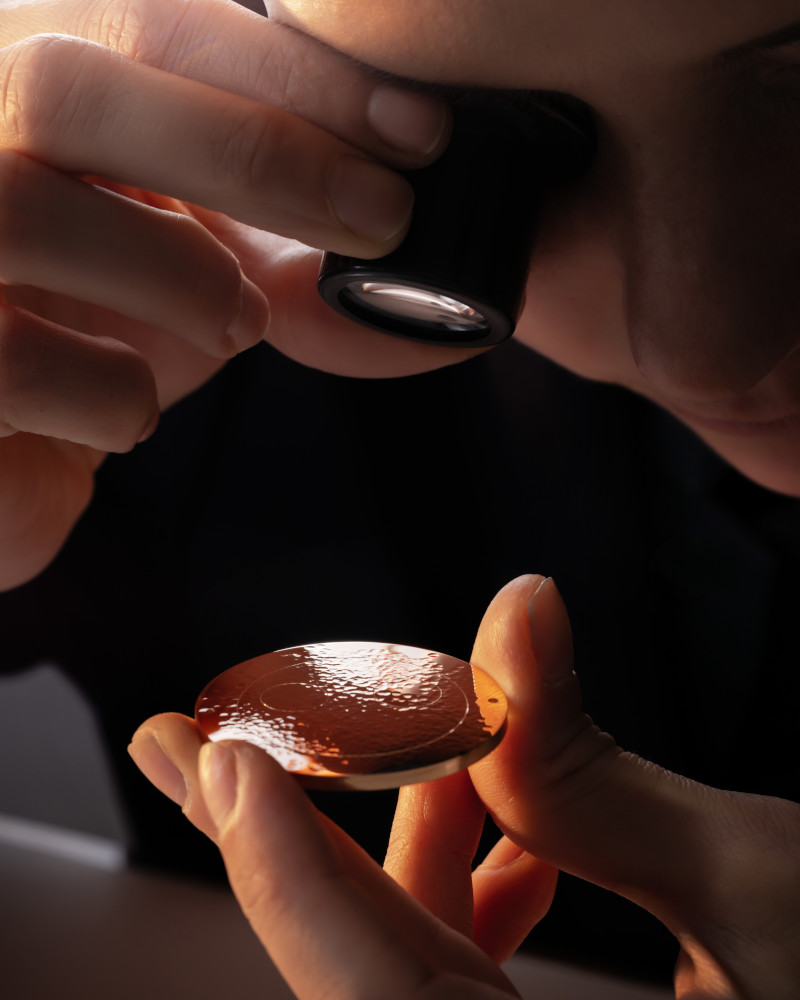
Thus, for the anniversary collection, the “novelty” lies in its gorgeous dial made with a new decorative signature, the hand-hammered dial. Herein lies one of the first signifiers of the modern Parmigiani, the dedication to traditional crafts. This handhammered technique is rooted in ancient metal working traditions found across European silversmithing, Japanese ritual objects and other numerous artisanal cultures. The concept may seem simple enough, taking a harder blunt instrument and colliding it with the softer dial surface repeatedly to create a pattern; the execution, however, is anything but. A single artisan has to give life to the dial by a succession of precise manual strikes. The keyword here is precise, because the rhythm of the strikes, the force to create the depth and the distribution of the impacts all play a vital role in creating a pleasing end-product. And as always with a manual process such as this, no two dials will ever be the same. This mesmerising dial can also be found on the Carillon Tourbillon, which was launched earlier in the year, also to commemorate 30 years of Parmigiani’s independent haute horlogerie.
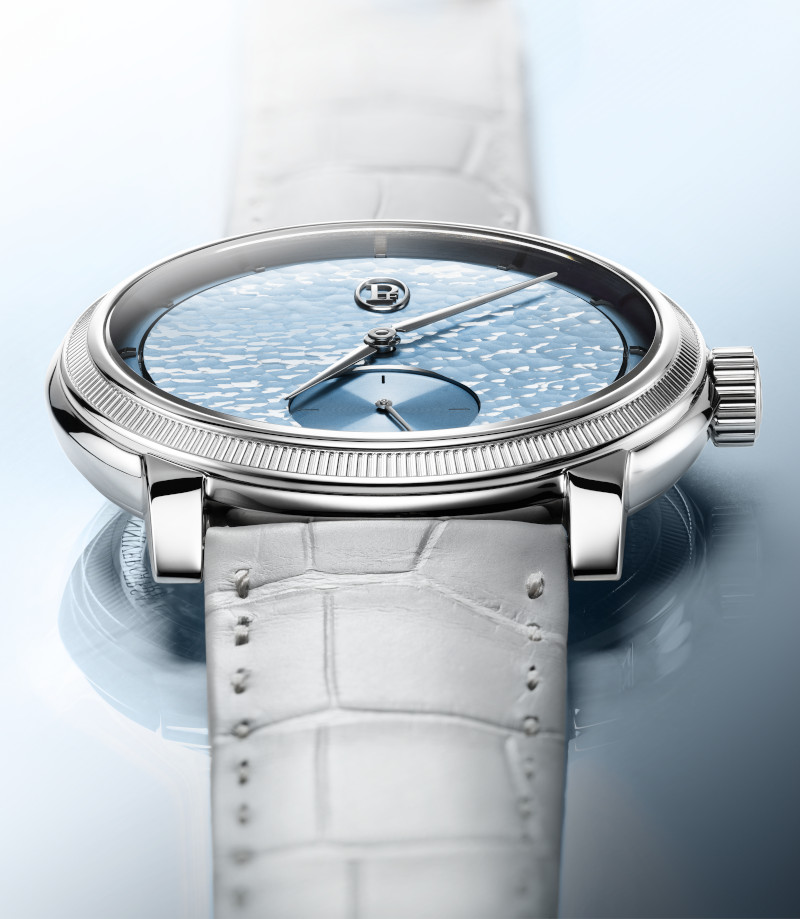
This is also not the first time that Parmigiani has drawn on traditional techniques to give life to its dials. The Toric watches in regular production all come with a dial that has been specially grained using a once-lost technique. Rediscovered and honed by master watchmakers such as Michel Parmigiani, this special technique requires the mixing of cream of tartar, crushed sea salt and silver, combined with demineralised water, resulting in a homogeneous paste which is applied to the dial. Then craftsmen begin the tedious process of brushing this mixture on the dial with special brushes until the intended surface texture is achieved.
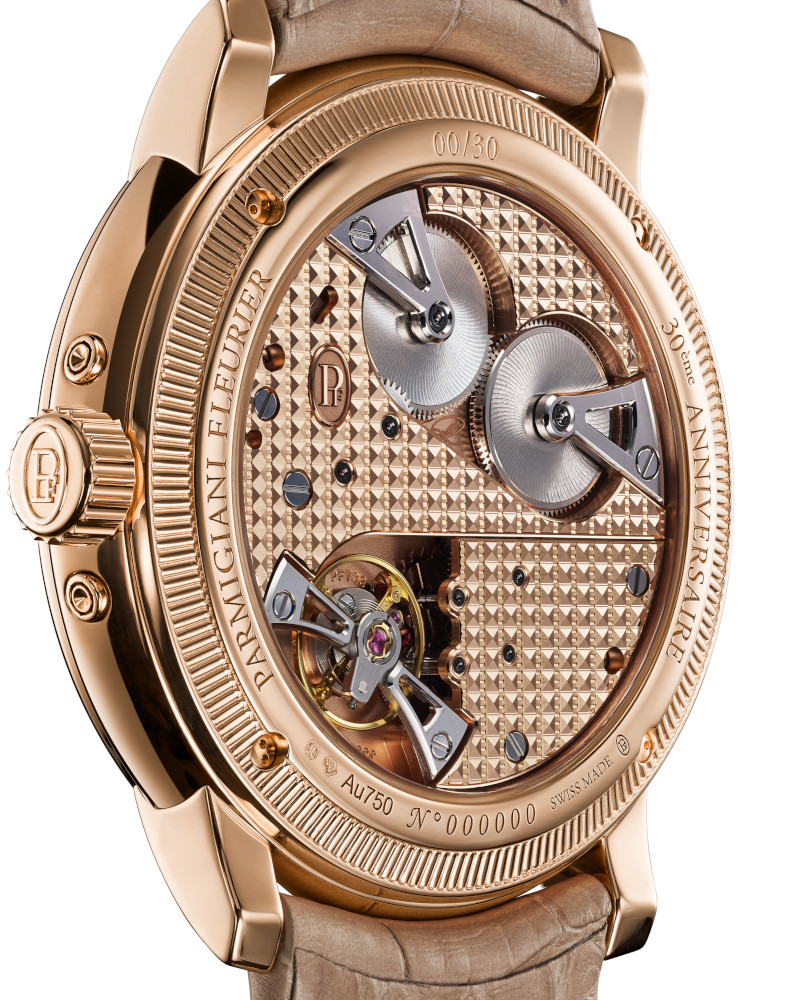
The use of guilloché with a traditional rose engine lathe has also been ingrained in Parmigiani’s offerings. Take for example the Grain d’Orge pattern that has now become the calling card of the TONDA PF collection. For the Toric Anniversary collection, however, specifically on the Petite Seconde and Quantième Perpétuel references, the bridges visible from the caseback have been adorned with a special double guilloché decoration, combining Clou de Paris and Filet sauté. The tiny pyramids of the Clou de Paris disperse the light while the linear structure of the Filet sauté adds rhythm and depth, resulting in a mesmerising experience when you flip the timepiece on its back. This is the reason why Parmigiani mandates that its Torics come only with pin and buckle straps.
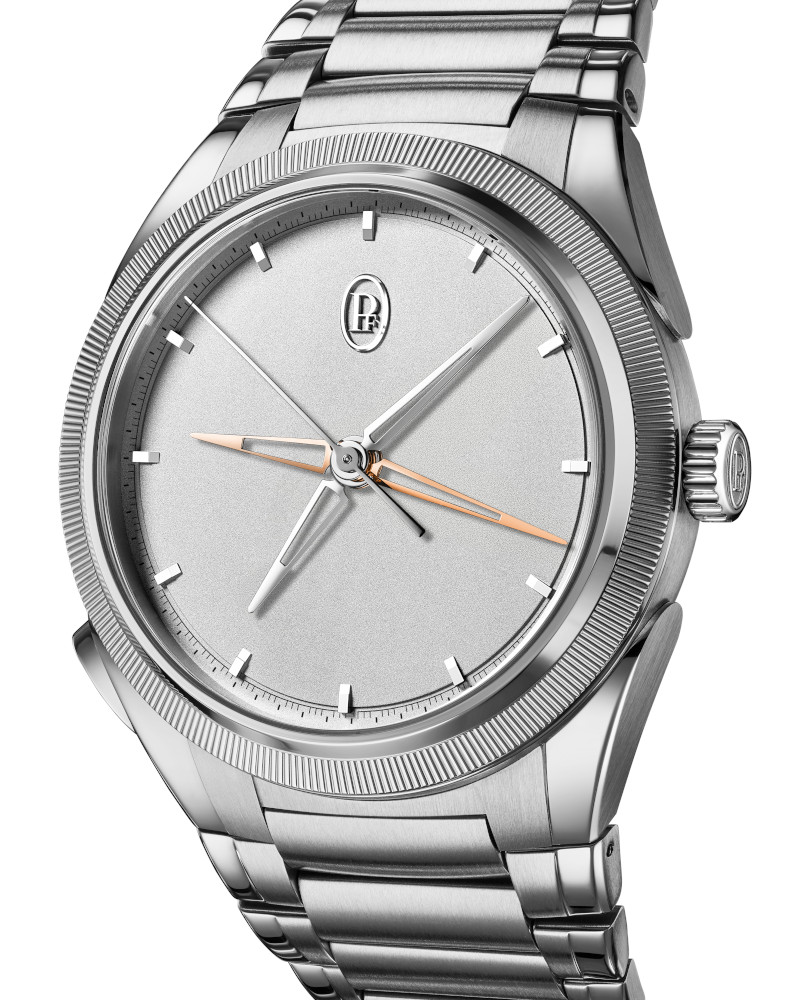
For this issue we chose to put the Toric Chronograph Rattrapante on the cover because in spirit, it represents the cumulative effect of Parmigiani’s modern philosophies. It has the wonderful hammered-metal technique on the dial, which reflects its dedication to traditional handcrafts, but in addition to that, it is a splitsecond chronograph, which is a complication that not many are aware, highlights an extremely high level of watchmaking savoir-faire. The tourbillon usually gets all the acclaim, but in actuality there are many more complications in the industry that are harder to accomplish. The Rattrapante chronograph is one of them.
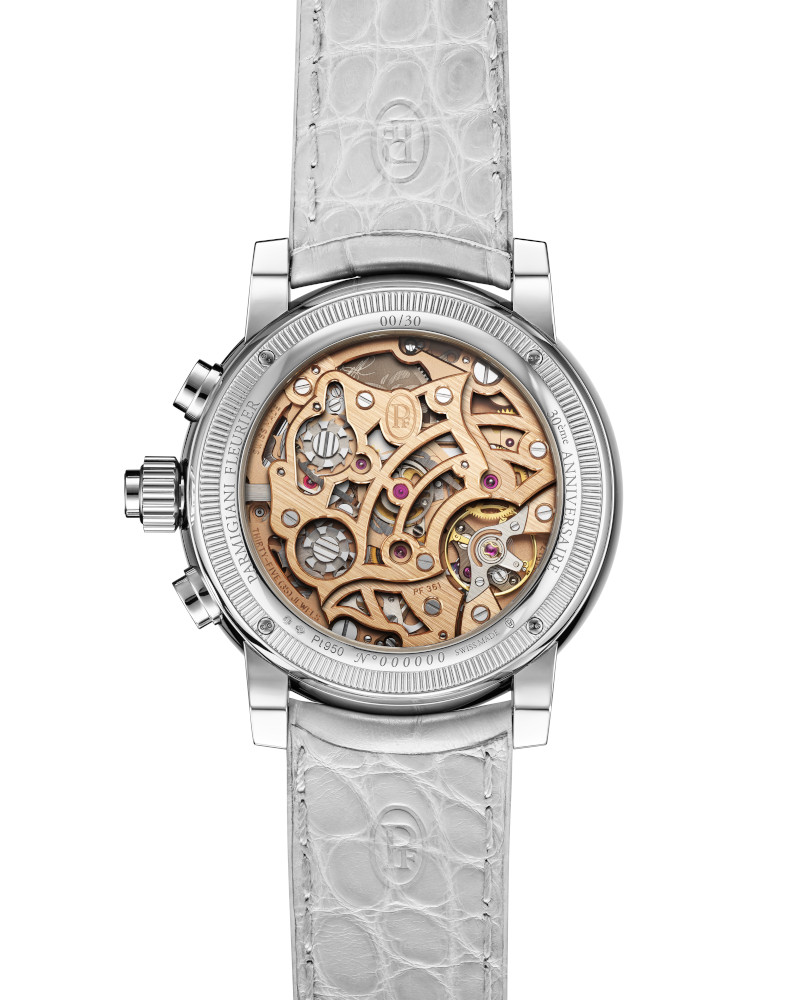
The word Rattrapante is derived from the French word for “catch up” and, simply put, it is a split-second chronograph. The function of this type of chronograph is quite simple to understand. It has a normal chronograph function, but upon activation of the split-second mechanism, one hand freezes in place while the other continues running. Then, if so desired, the frozen hand can be convinced once again to “catch up” to the running chronograph seconds hand, hence the name rattrapante. Although it may sound simple in its function, achieving this via mechanical means is anything but. There is much complexity surrounding the rattrapante mechanism, but it lies in the regulation and adjustment of the movement rather than in the number of components.
For one, adding this complication to the chronograph makes the whole movement even more compact, so it becomes harder to assemble. Then, there is the actual system that holds the chronograph seconds hand in place. In its natural state, both chronograph seconds hands have to sit perfectly aligned to give the illusion of a single hand; this means the tolerances for the tubes, the cams, and the hand-fitting height have to be spot on, otherwise it looks sloppy. Then there is the adjustment for the extra clamping and catch-up actions. It needs to be carefully adjusted so the spring tension and pincer geometry are just right, and it does what it needs to without damaging the fragile components or putting extra strain on the running mechanism within. Additionally, Parmigiani has added a second column wheel to its Chronograph Rattrapante, which not many manufacturers do, so that even the split-second function offers the same pusher feeling as the regular chronograph. This assembly and adjustment process is so skill intensive that not many manufacturers can achieve this in-house. This is why you see so many chronograph movements out there, but not many with the Rattrapante function.
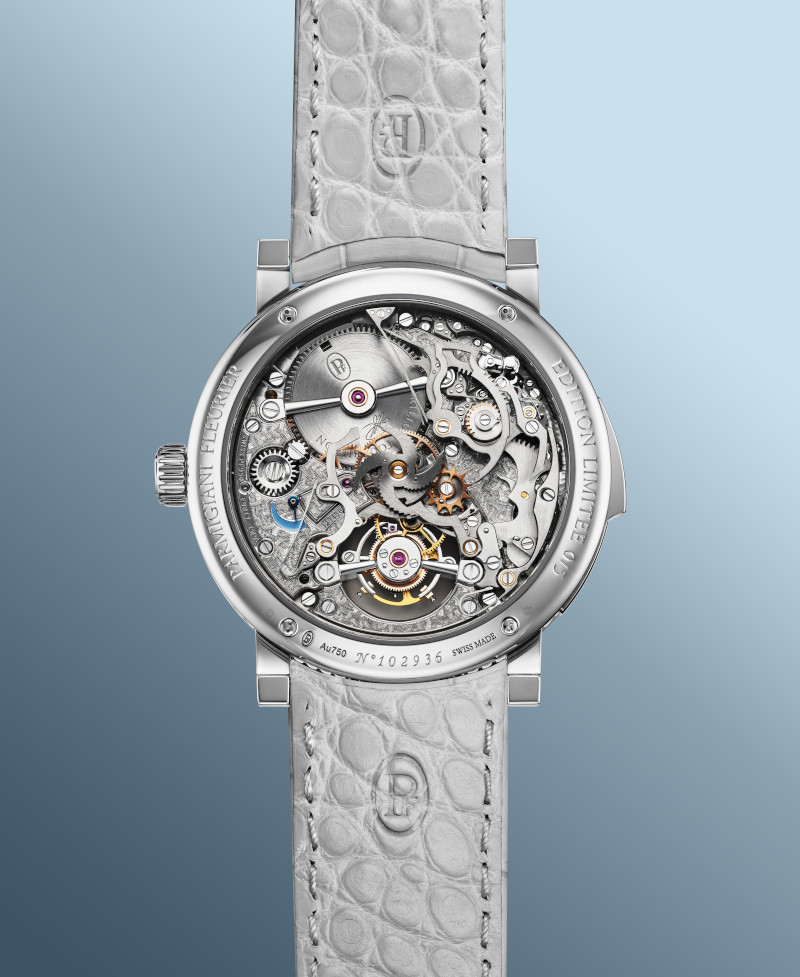
They are able to do this largely thanks to their association with the Vaucher Manufacture Fleurier, which is renowned for its high-end watchmaking. And because they are a sister company to this manufacture, Parmigiani has a lot of flexibility in the movements they create. In recent years, they have taken to creating a collection of mystery complications that, as the name suggests, hide their function until its activation by the wearer. It started with the GMT Rattrapante, which hides a GMT useful for tracking a second timezone, and the Minute Rattrapante, which hides a minute hand used to count elapsed time of up to 60 minutes. And the most recent and perhaps most impressive of the mystery complications is the Chronograph Mystérieux, which hides the entire set of chronograph hands in plain sight. All of which, by the way, are the first of its kind.
It is a shame they could not call this mystery complication the Chronograph Rattrapante, like the GMT Rattrapante and Minute Rattrapante, because that would imply the complication of the watch we have put on the cover. The Chronograph Mystérieux, however, still uses the rattrapante mechanism, two, in fact, for the hour and minute hands, but functions in very different ways. We have written extensively about this watch when it was unveiled at Watches & Wonders earlier this year, so for the sake of brevity we will just say that the watch hides all the chronograph functions until the moment the monopusher chronograph is activated. This is a highly complex watch, stacking five hands to achieve its “magic show,” and it is a great example of how Parmigiani as a brand not only offers complications worthy of its traditional watchmaking heritage, but is also not shy in re-thinking and reinterpreting these complications.
For the 30th anniversary of the brand, they are also offering a special TONDA PF Platinum Trilogy that brings together these three world premieres – GMT Rattrapante, Minute Rattrapante and Chronograph Mystérieux – all clad in platinum cases and special monochrome dial designs.
There is a third reason we decided to put the Chronograph Rattrapante on the cover. Look beyond the shimmering hammered metal dial and see the unique colour on the dial. It is not really blue, not quite green, it is a unique shade called Agave Blue that is not at all common in the watchmaking industry. And this is the third calling card of the modern Parmigiani brand, the introduction of unique colours on their watches.
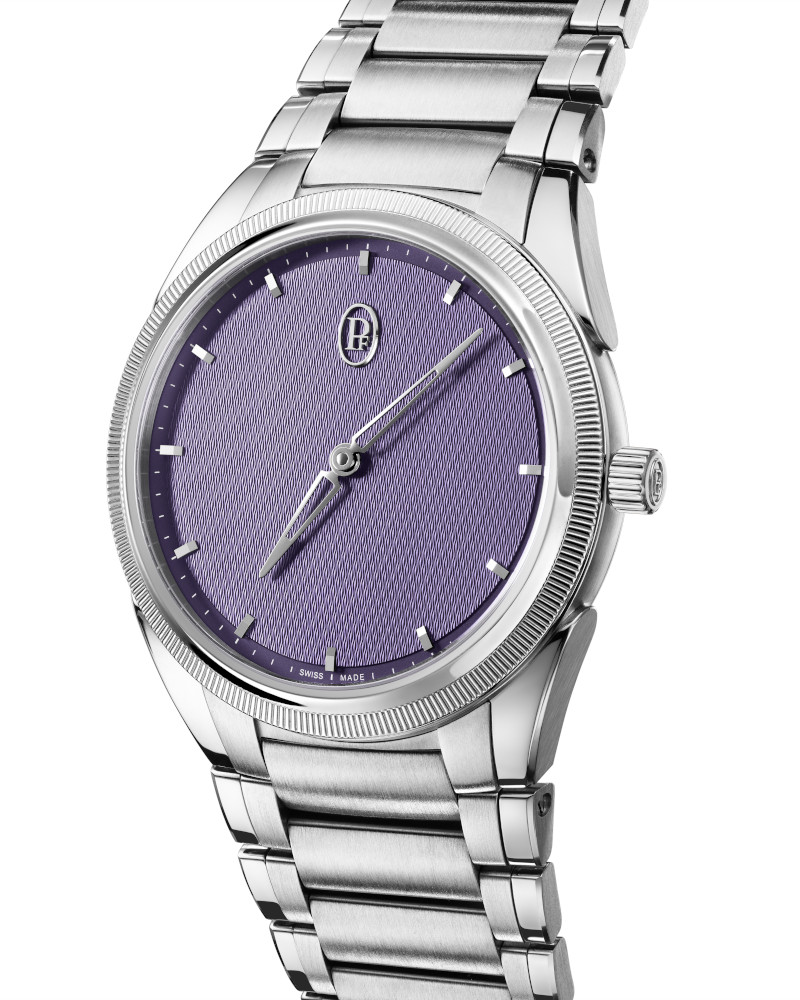
The results are watches with colours like Morning Blue, Grey Celadon, Verzasca, Golden Siena and many others that maintain the brand’s soft and understated look while still offering more than the traditional black or white dials. And this use of beautiful shades extends not only to their internal offerings but throughout their collaborations as well. A good case in point is the TONDA PF Automatic 36mm Soft Violet SHH Edition that was made in partnership with the watch retailer Sincere Fine Watches. Limited to only 50 pieces worldwide, it comes with a violet-purple dial with immense depth. It combines a palette of rich violet, cool blue and delicate lavender hues to evoke the feeling of that magical hour when the sun’s light leaves the day, leaving behind gorgeous violet tones that linger only for moments before they are gone.
These unique shades of known colours are not trademarks of Parmigiani, but at the moment they have become somewhat of a signature for the brand. And because most of their watches have some sort of craft applied to the dial, whether it is the hand-graining on the Toric, the hammered metal dial of the anniversary version or even the Grain d’Orge guilloché that is the signature of the TONDA PF collection, these patterns add another level of dimension to the dial. As the light catches and reflects on the various textures, they lighten or darken to the wearer’s eye, giving the dial more character as the lighting conditions change throughout the day.
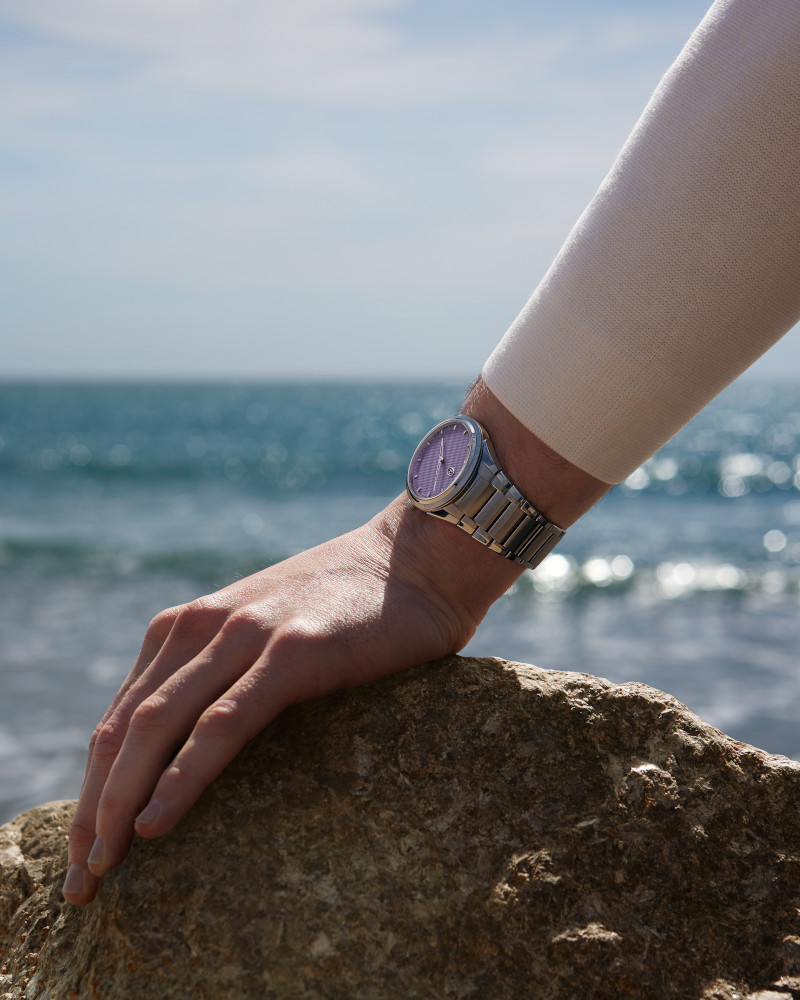
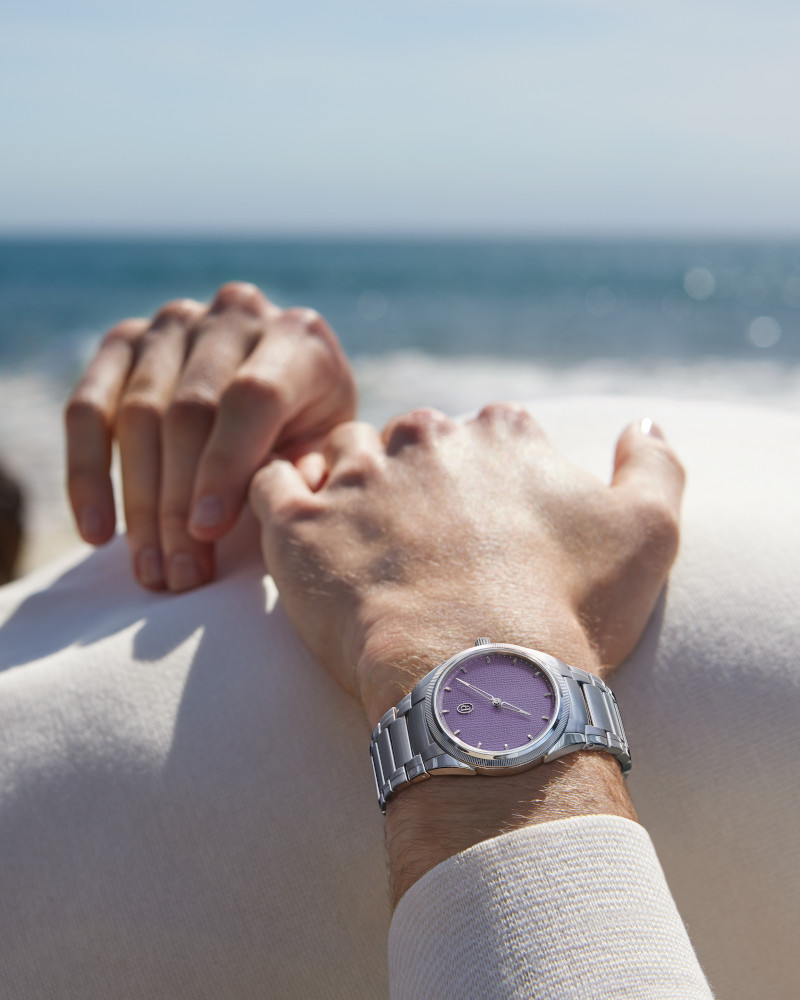
So, there you have it, the three major calling cards of the new Parmigiani are a dedication to traditional crafts, a focus on building interesting complications and, finally, the use of unique and underrepresented colours in watchmaking. Although these pillars seem very much like the values of a modern watchmaking company, a lot of it is similar to Michel Parmigiani’s early work in restoration. To restore, one must first understand the mechanics and intentions of the original creators. And by working with instruments from a different era, it broadens the mind and allows more possibilities to encroach on modern watchmaking. This is the approach that Michel Parmigiani brought when he established the company 30 years ago and today, this is the legacy by which the current CEO, Guido Terreni, leads the company.
Discover Parmigiani Fleurier timepieces at Sincere Fine Watches and Sincere Haute Horlogerie (SHH) boutique at Pavilion Kuala Lumpur.