Hidden Gems: The Highly Underrated Watches of A. Lange & Söhne
The lesser known beauties hidden within Glashütte’s most storied manufacture
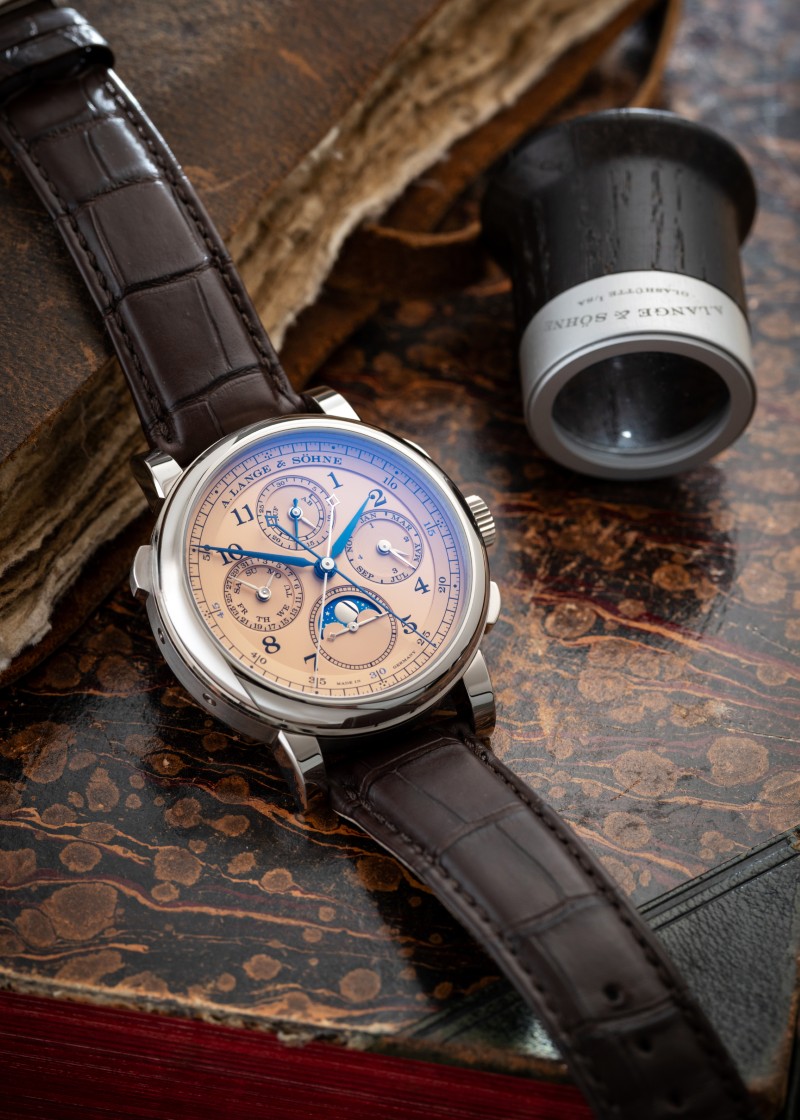
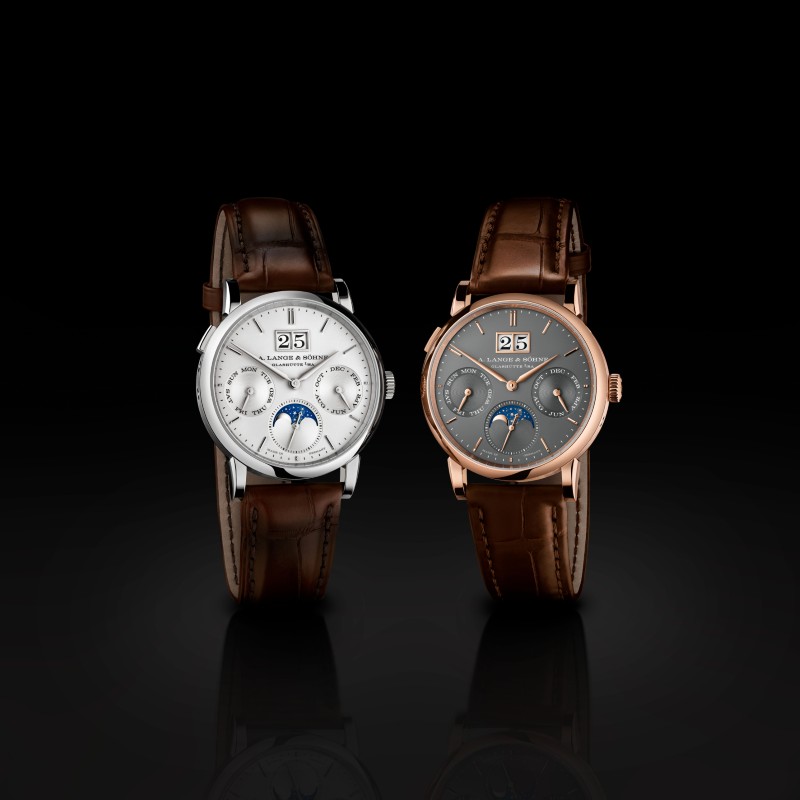
Since the brand was founded in 1845 and relaunched in 1990, A. Lange & Söhne has grown to span six core collections – the Lange 1, Saxonia, 1815, Richard Lange, Zeitwerk, and Odysseus – each with exceptional references that embody the superior qualities of the collection’s ethos and design language. This year, the manufacture has had a spectacular Watches and Wonders with the unveiling of the Lange 1 Tourbillon Perpetual Calendar “Lumen” and the Saxonia Annual Calendar; the former combines two high complications with a translucent dial to accentuate the intricacies of the movement’s components, whereas the latter packs a new movement into a compact case of 18k pink gold or white gold.
But the manufacture is replete with other treasures that exemplify its unique approach to high-end watchmaking – mechanical marvels that incorporate (and even combine) the most complex complications, an elevated style that infuses finesse with restraint, a harmonious aesthetic outstanding for its symmetry and elegance, and unparalleled levels of craftsmanship. Every watch is equipped with a manufacture movement that is built according to the brand’s uncompromising standards: made in-house, assembled twice, and finished by hand to an extraordinary level of quality.
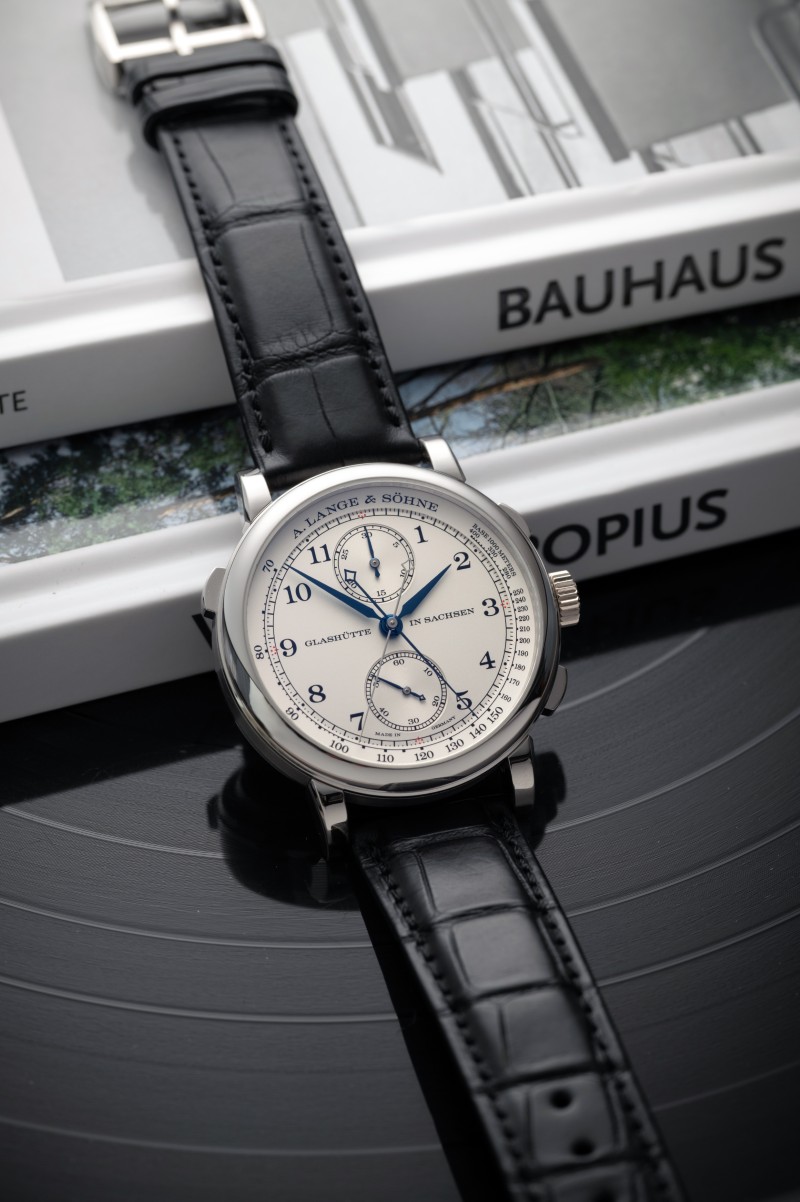
From the 1815 collection, two expressions of the split-seconds chronograph demonstrate the adroitness of A. Lange & Söhne when it comes to executing this complication that is widely recognised as among the most difficult to realise, and one of the brand’s best-known accomplishments following the debut of its double split-seconds chronograph, the world-first Double Split, in 2004. The 1815 Rattrapante chronograph, which features two chronograph hands to record separate interval timings, is equipped with the manufacture movement L101.2, with two column wheels, and 58 hours of power reserve; the surprisingly slim 12.6mm profile belies the sophistication of the movement, and the dial adopts a vertically symmetric layout of its chronograph counters for a refreshing take on the convention of positioning them at 3 and 9 o’clock. And taking things up a notch is the 1815 Rattrapante Perpetual Calendar, which adds a moonphase display, in addition to the titular calendar, and drives the triple-complication powerhouse with the 636-component calibre LL101.1.
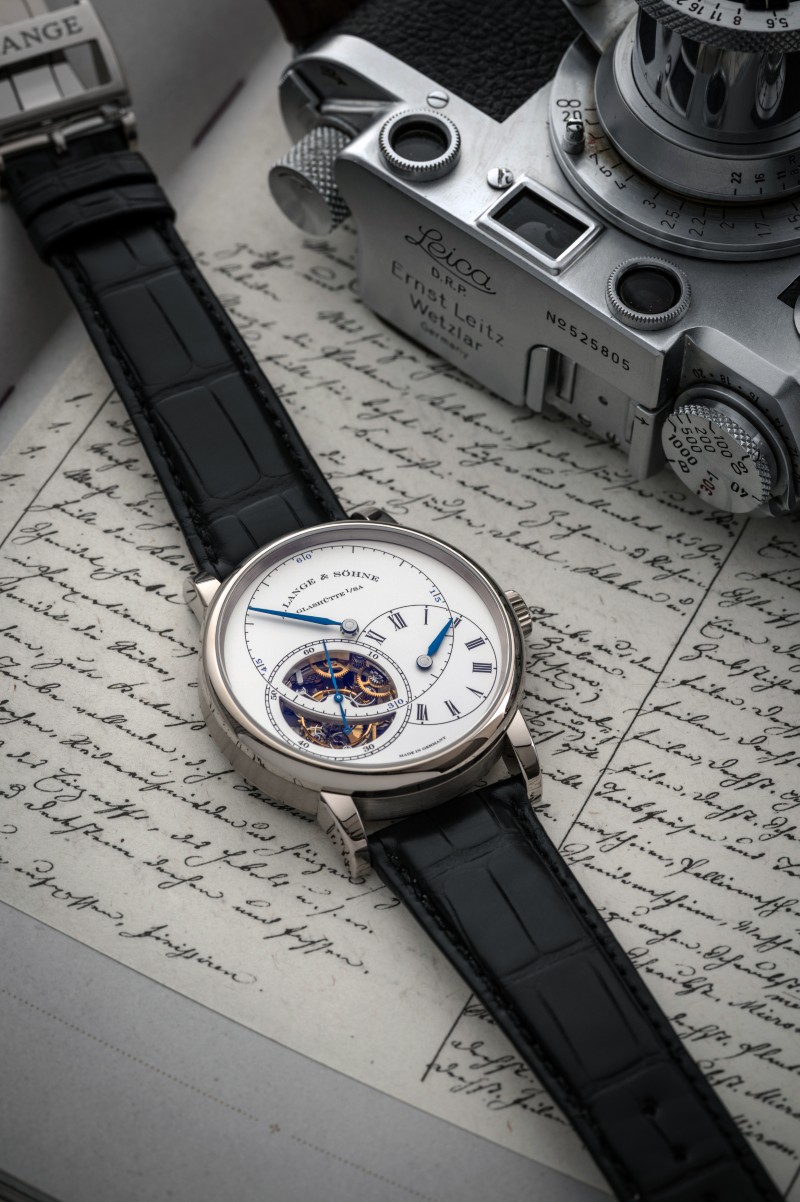
One of only five models in the manufacture’s modern history to have borne the epithet denoting its status as a most technically accomplished reference, the Richard Lange Tourbillon “Pour Le Mérite” integrates a one-minute tourbillon with a stop-seconds mechanism into a fusée-and-chain transmission, to maintain constant power delivery to the movement as the mainspring unwinds and ensure high accuracy across the 36-hour power reserve; the system links the barrel via a chain to the cone-shaped fusée, whose varied diameters creates a variation in the force transmission, like how a bicycle’s different gears can affect how much effort is needed to pedal through different environments.
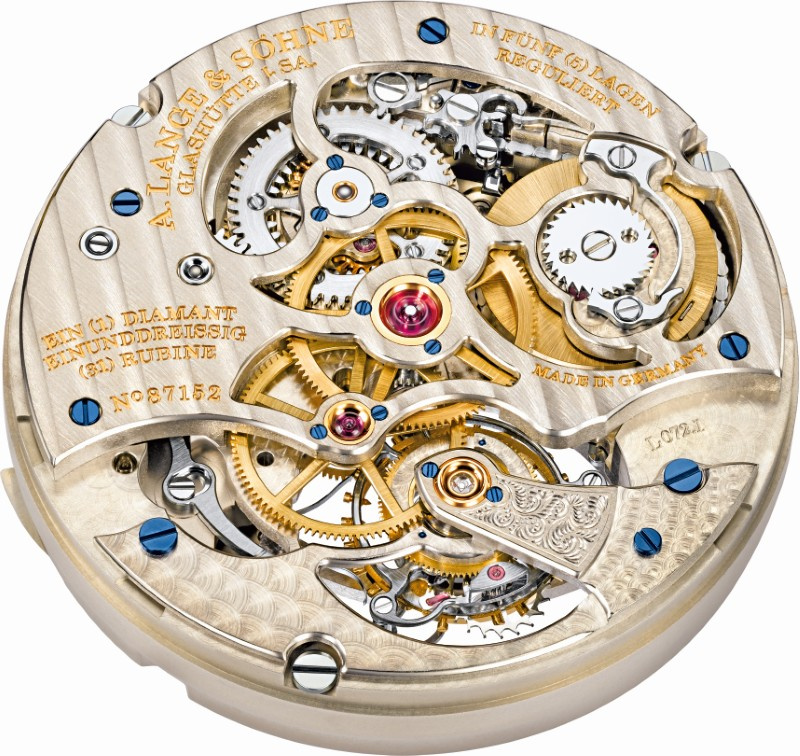
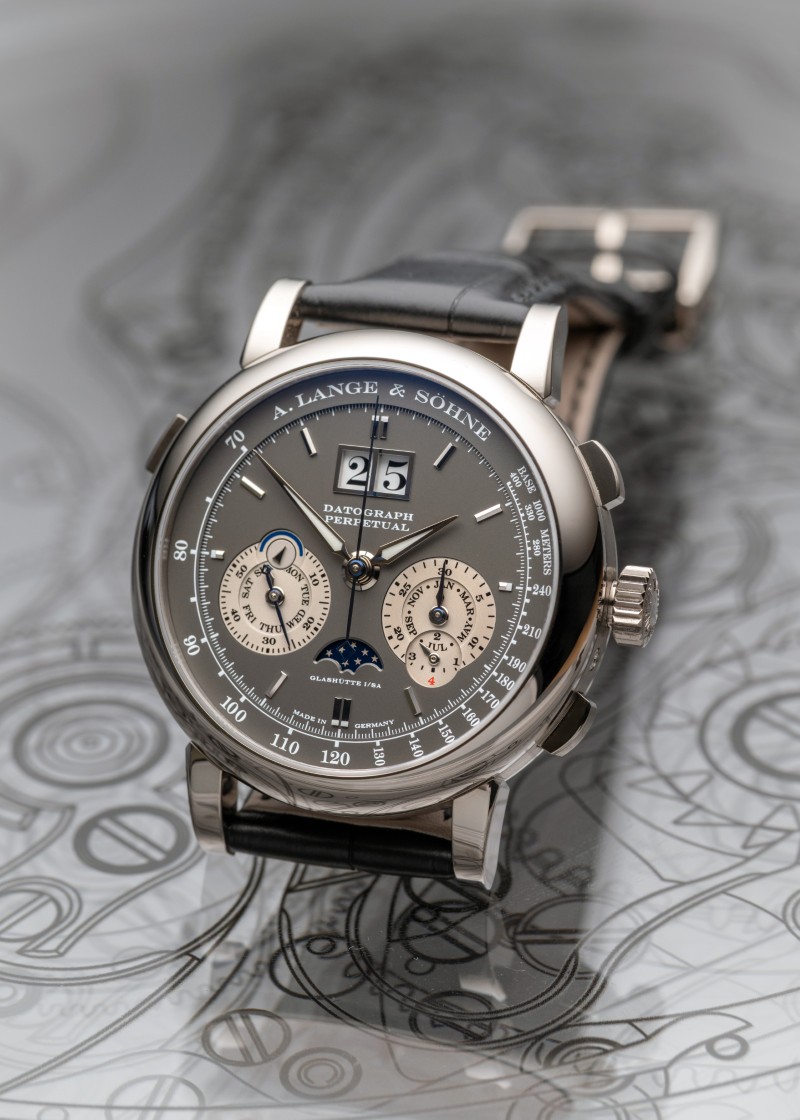
And finally, the Datograph Perpetual merges a perpetual calendar with a flyback chronograph, the brand’s first exploration of this highly functional and practical pairing. Introduced in 1999, the Datograph was A. Lange & Söhne’s first flyback chronograph ever, and not just in its modern era. On top of being an exquisite example of a finely designed and crafted perpetual calendar chronograph, the Datograph Perpetual also illustrates A. Lange & Söhne’s thoughtful philosophy of visual balance and clarity, by centering the outsize date apertures and lowering the chronograph subdials to 4 and 8 o’clock.