Ulysse Nardin and URWERK Unite for the UR-FREAK

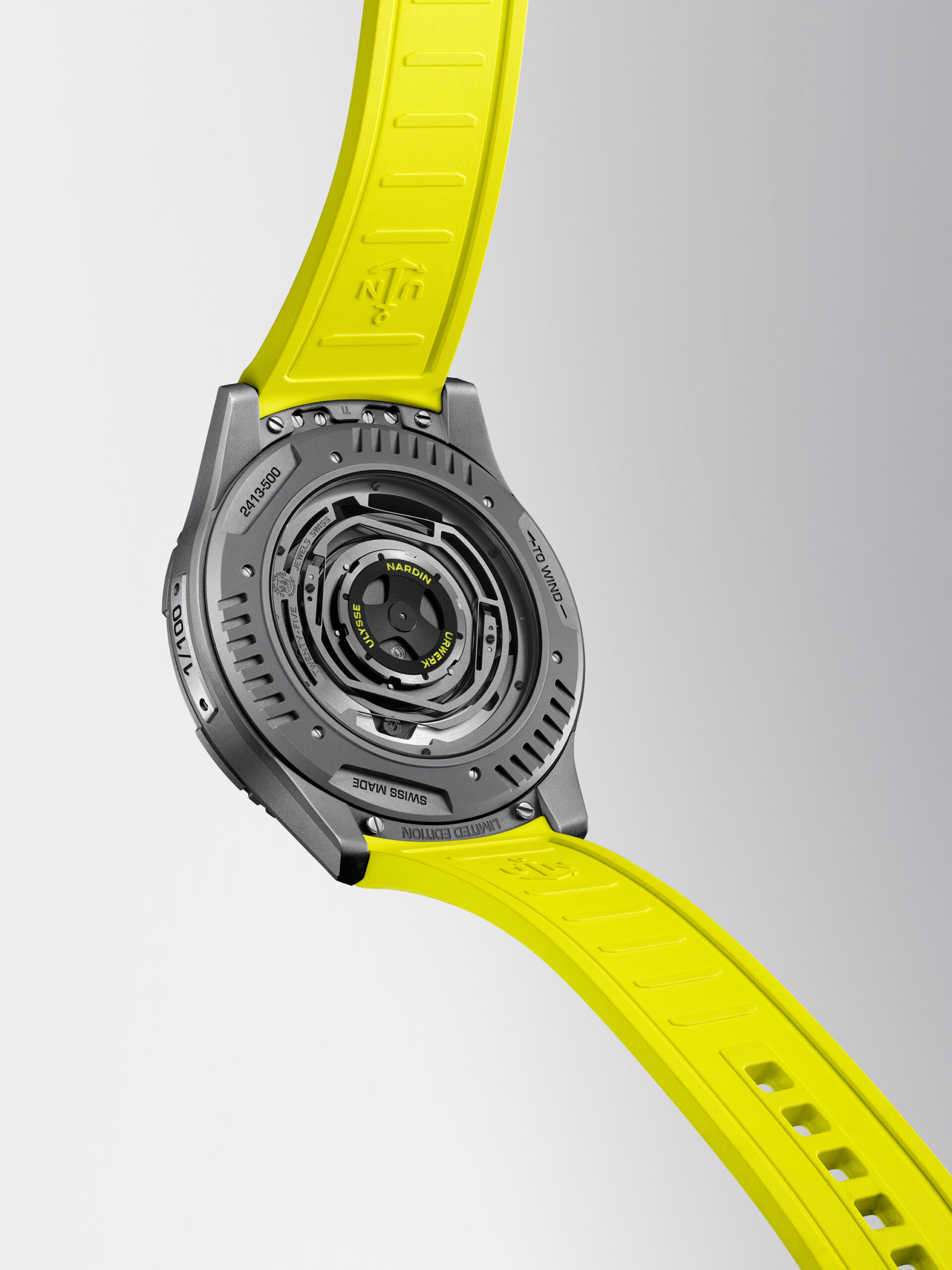
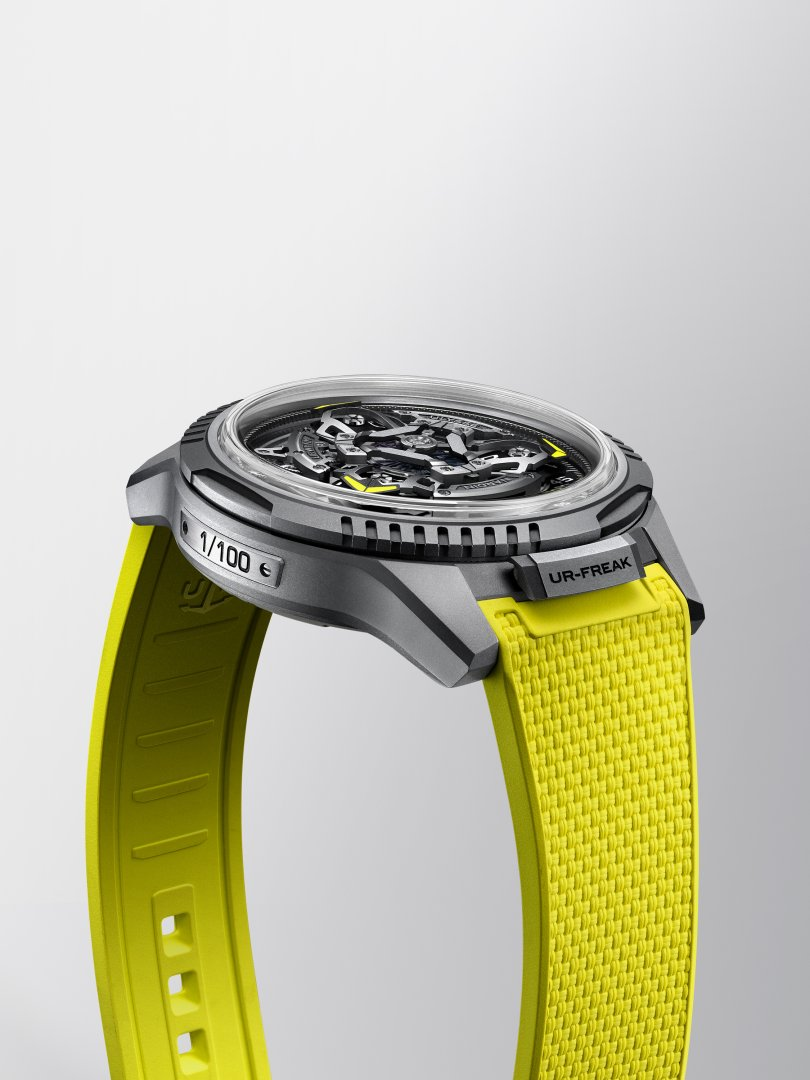
In a landscape often dominated by surface-level brand partnerships, Ulysse Nardin and URWERK have unveiled a collaboration that goes far beyond a simple meeting of logos. Launched at Dubai Watch Week, the UR-FREAK is, in fact, the meeting between these two brands that should have happened maybe 20 years ago and has already drawn praise as one the best collaborations to date in watchmaking. Briefly, the watch is a kinetic sculpture where the “mechanics define the design.” Unfortunately, that — and even the pictures — does not quite capture it. The UR-FREAK is a technical fusion of two of the most disruptive concepts in modern horology: the Ulysse Nardin Freak and the URWERK wandering hour satellite indication.

In the UR-FREAK, the entire movement rotates once every three hours. As it spins, a massive silicon balance wheel — 25 percent larger than standard versions — oscillates at the centre, serving as the beating heart of the display. Orbiting this heart are the satellite arms, which carry rotating hour blocks that slide along a minute scale, a signature URWERK method of time-telling now powered by Ulysse Nardin’s carousel. This is why we call the UR-FREAK a fusion of disruptive concepts, to be clear.

As mentioned, the spiritual origins of this 2025 partnership trace back nearly three decades. The late 1990s saw the founding of URWERK by Felix Baumgartner and Martin Frei in 1997, while Ulysse Nardin, under the leadership of the late Rolf Schnyder, prepared to shock the world with the original Freak in 2001.

Both brands built their identities on a specific definition of “independence” — the freedom to explore radical mechanics without compromise or adherence to traditional norms. As the press release notes, this collaboration was designed to be a “technical collaboration” rather than a cosmetic one. As a result, the UR-FREAK demanded the engineering of an entirely new engine: the Calibre UN-241. The goal was to mount URWERK’s three-armed wandering hour satellite system onto Ulysse Nardin’s rotating Freak carousel. It required the development of over 150 new components to ensure the two complex systems could “play nice” together.

The physical form of the UR-FREAK borrows the chassis of the Ulysse Nardin Freak ONE but the skin is distinctly URWERK. Finished in a deep anthracite grey, the case evokes an industrial, almost brutalist aesthetic. Slashes of “Electric Yellow” (Pantone 395 C) — a colour synonymous with URWERK’s radioactive-looking displays — highlight the minute markers and the tip of the wandering hour hand. True to the Freak’s lineage, the watch has no crown. Instead, the wearer interacts directly with the chassis, rotating the bezel to set the time and turning the caseback to wind the mainspring, though the highly efficient “Grinder” automatic winding system ensures the 90-hour power reserve is maintained by wrist motion alone.

The mechanics of the UR-FREAK are contained and shielded by a 44-millimetre case in sandblasted titanium, with a height of 12 millimetres that is water-resistant to 30 metres. The watch is a limited and numbered edition of 100 pieces.

Zenith Defy Zero G Sapphire and the Mechanics of Gravity-Defying Watchmaking

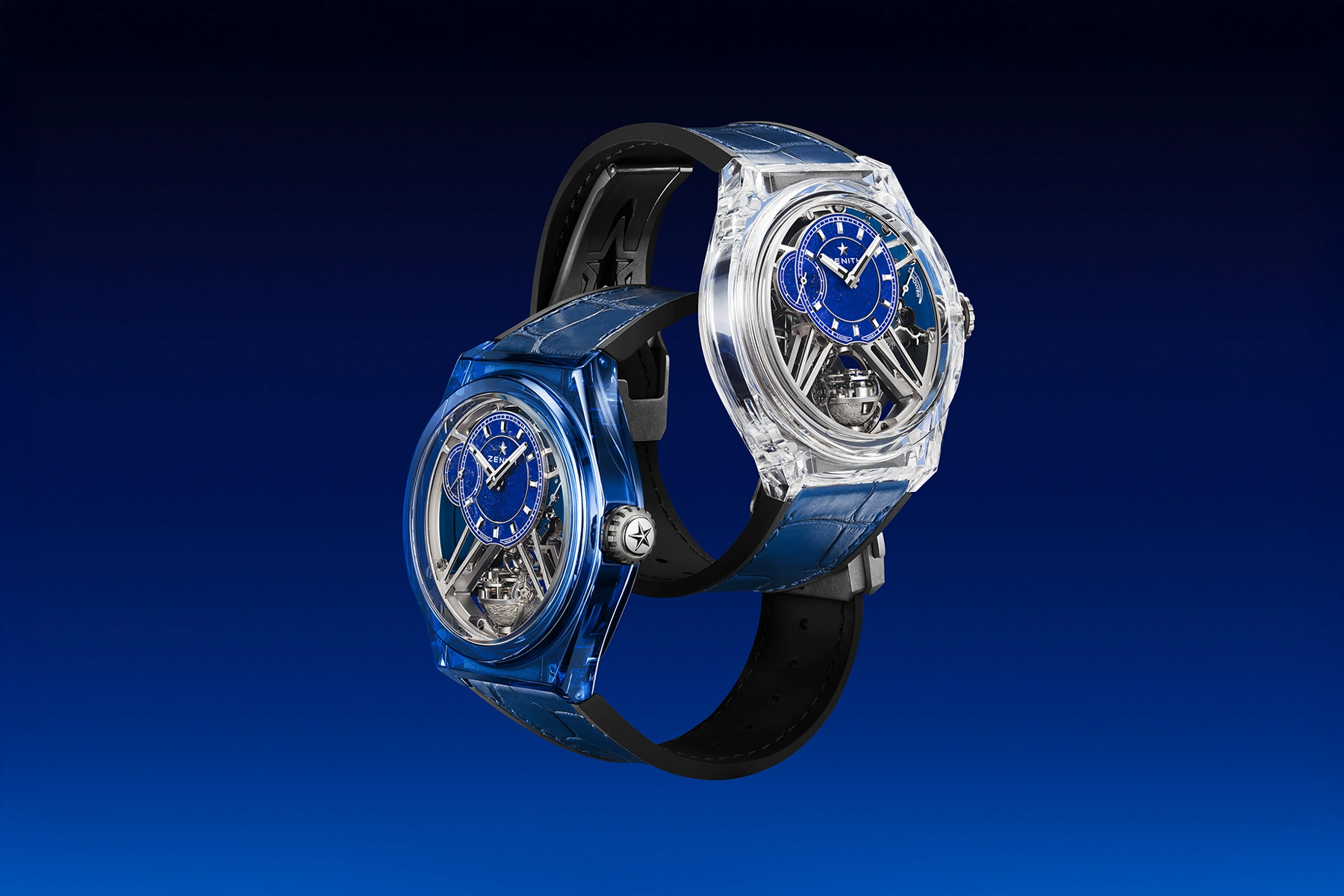
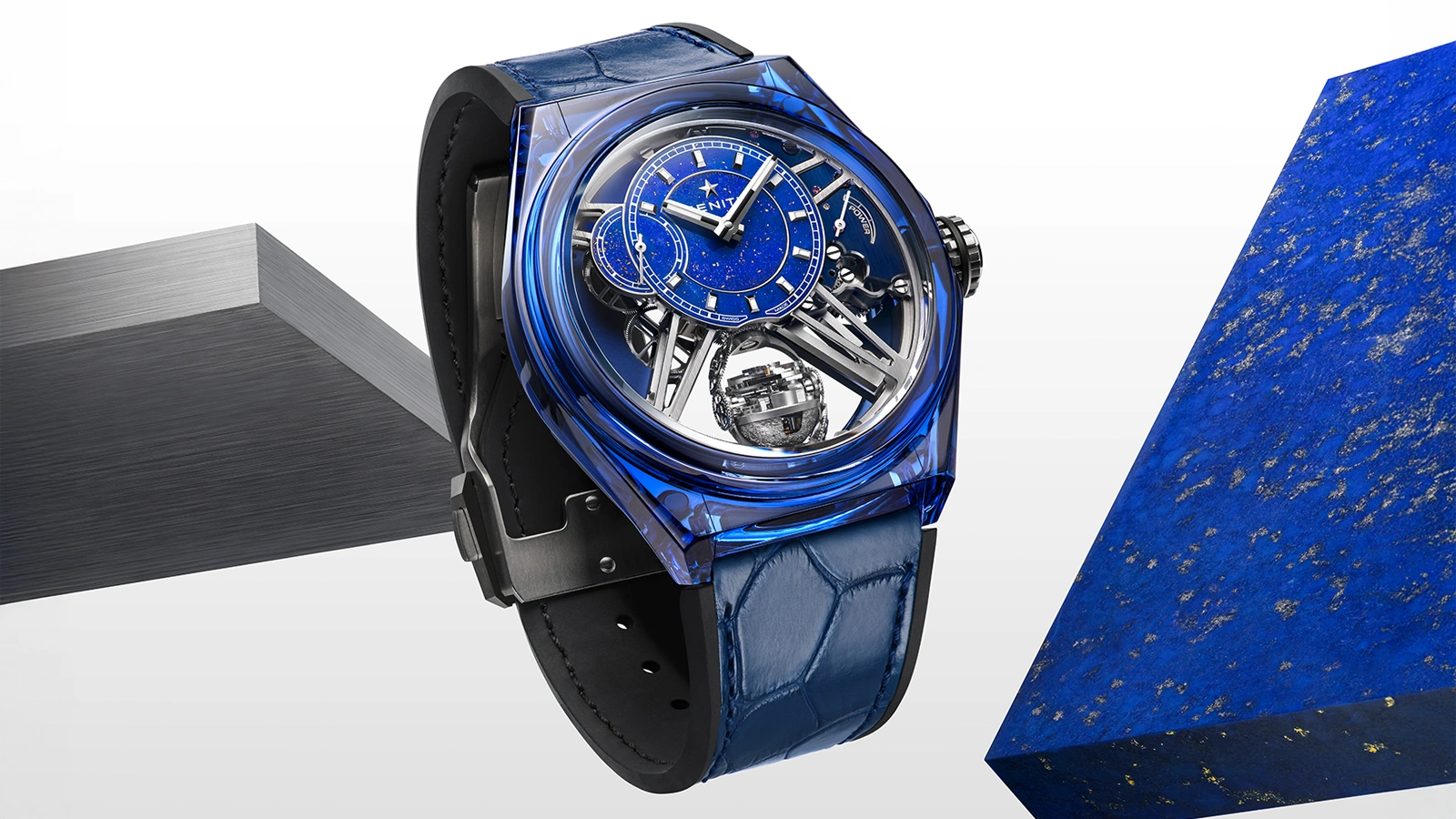
If the tourbillon is too basic for you, Zenith has the answer: the Zero G. While the tourbillon averages out rate errors by keeping the balance assembly in motion, the proprietary Zero G module keeps said assembly in the same position no matter how the wearer moves. When Zenith introduced this concept in 2008, it induced a lot of head-scratching and also plenty of concern about size. Today, the Defy Zero G Sapphire presents a Zero G module that occupies just 30 percent of the original’s volume. The original necessitated bulges on the sapphire crystal (creating a sort of bubble that appeared to house the module) and yet with the new Zero G Sapphire, no such measures are required.

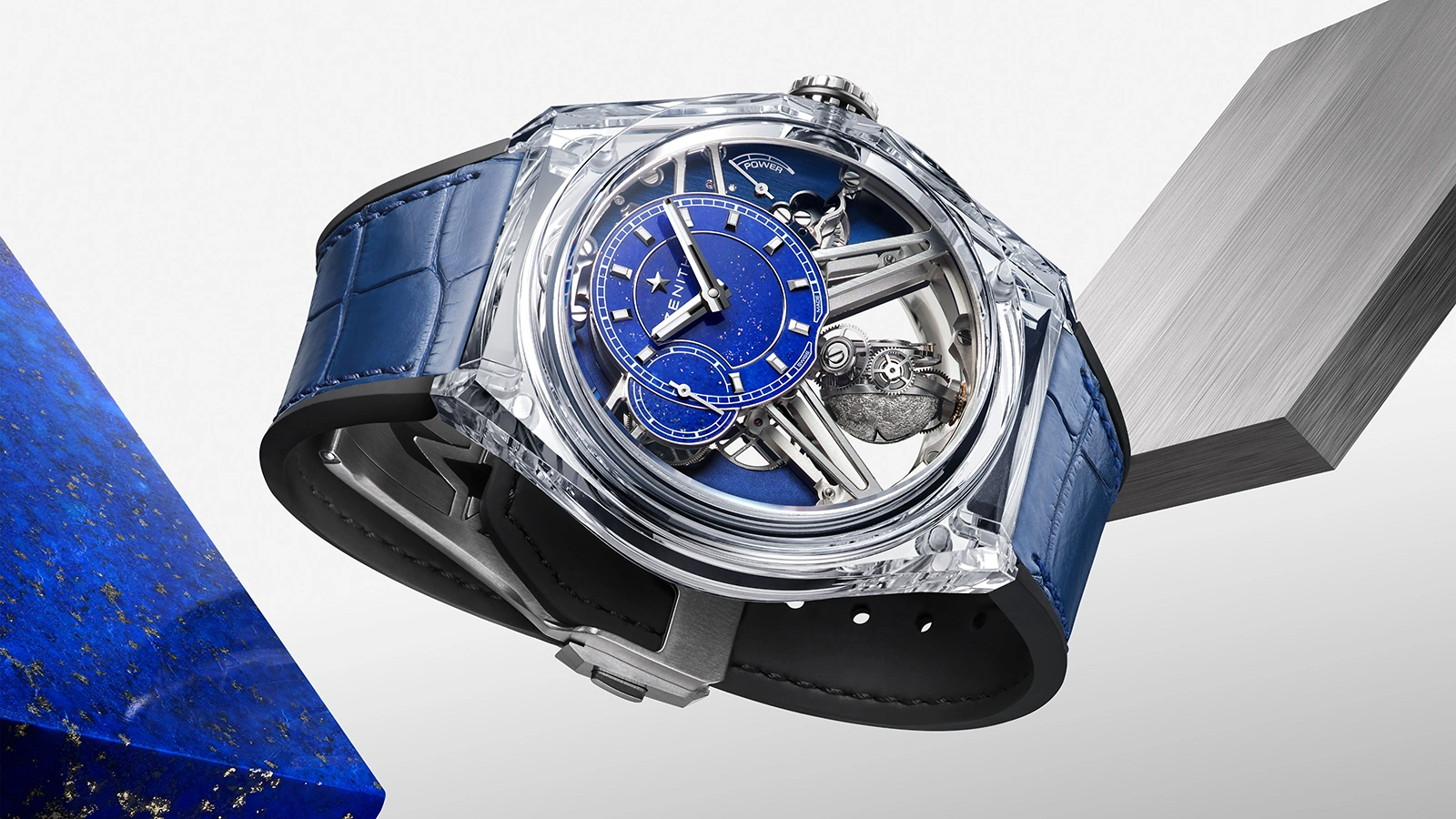
This aside, though, the question of how keeping things in one constant position helps anything remains. There is a short (ish) answer but first, a few words are called for to describe the watch. At 46 millimetres, the Defy Zero G Sapphire is a commanding presence on the wrist (supplied specifications do not provide the height of the watch). The time subdial is in lapis lazuli, much like other anniversary pieces this year.

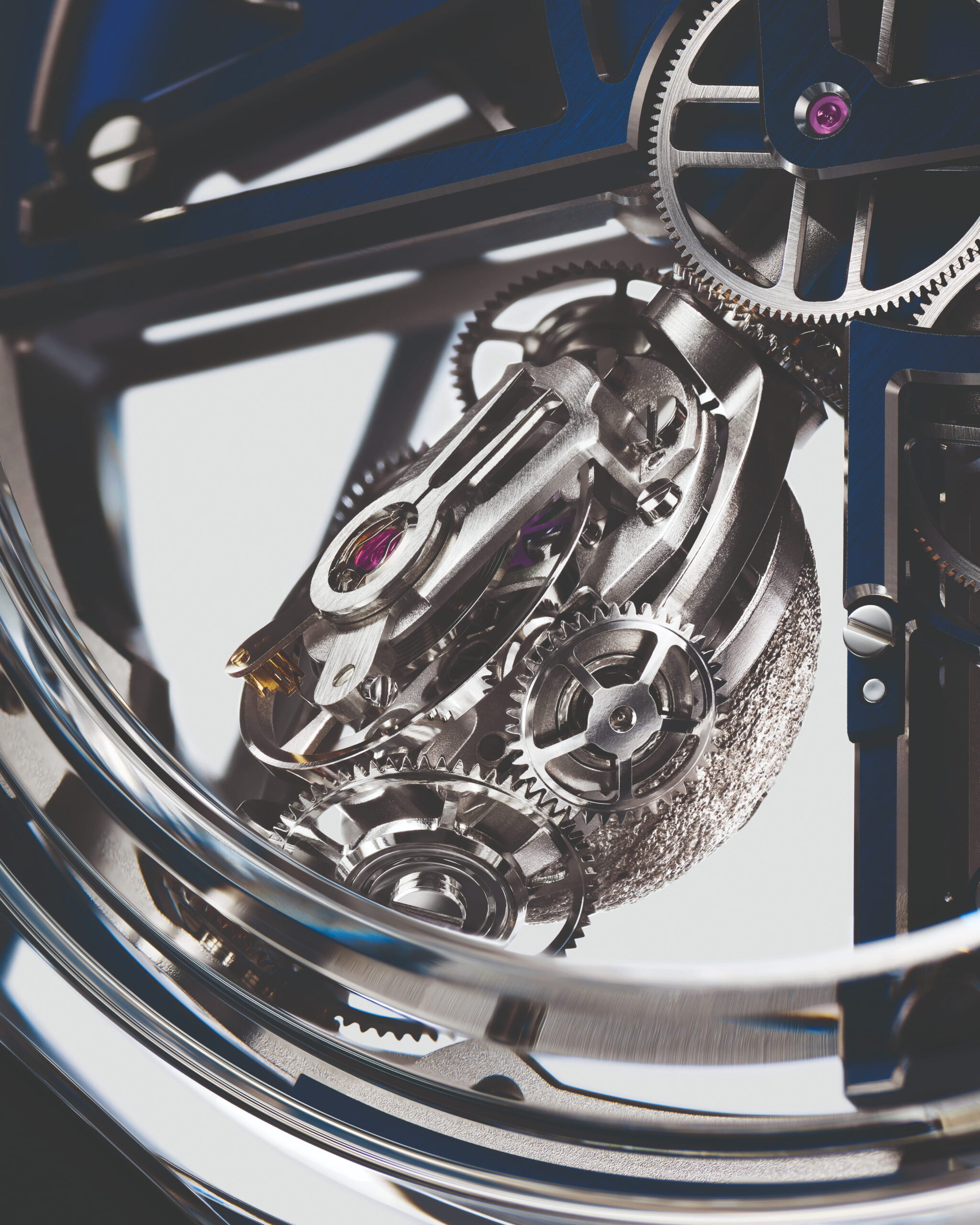
The Defy Zero G Sapphire is a time-only piece, with a power reserve indicator at 3 o’clock. Significantly, there are two versions, both in sapphire crystal (one clear, the other blue), adding a level of transparency to the watch — one can now see how the Zero G module does its thing. The astute amongst you will surmise that some kind of gimbal system must be in play, and that is right. Incredibly, Zenith has shrunk this mechanism to fit in just 1.3 cubic centimetres of space; it consists of 139 components, including a platinum counterweight and lubrication-free ceramic ball bearings (nine of them).

The movement designation here is El Primero 8812S, a rare example of an El Primero that is neither a chronograph nor an automatic. True to its legacy, though, it beats at a high frequency of 5 hertz or 36,000 vibrations per hour, ensuring precision to match its stability. The movement offers a 50-hour power reserve, indicated by the aforementioned display, while the small seconds are tucked away at 9 o’clock.

The complexity of transmitting power to a tumbling gyroscope cannot be overstated. Zenith’s engineers devised a system of conical bevel gears and a miniature differential to ensure that torque from the barrel is delivered consistently to the escapement, even as the module tilts and rotates in space. Again, it is worth recalling that the module is moving to keep the balance assembly still. The main benefit of being in one position regularly is that the movement needs only be optimised for accuracy in that one position. Even a normal balance in a pocket watch will find itself in more positions than a Zero G.

MOVEMENT: Manual El Primero 8812S; 50-hour power reserve
CASE: 46-millimetre sapphire crystal (clear or blue); water-resistant to 30 metres
STRAP: Blue alligator leather lined with rubber
PRICE: MYR 943,200

Between 35 and 40: The Tissot PRX Finds Its Sweet Spot

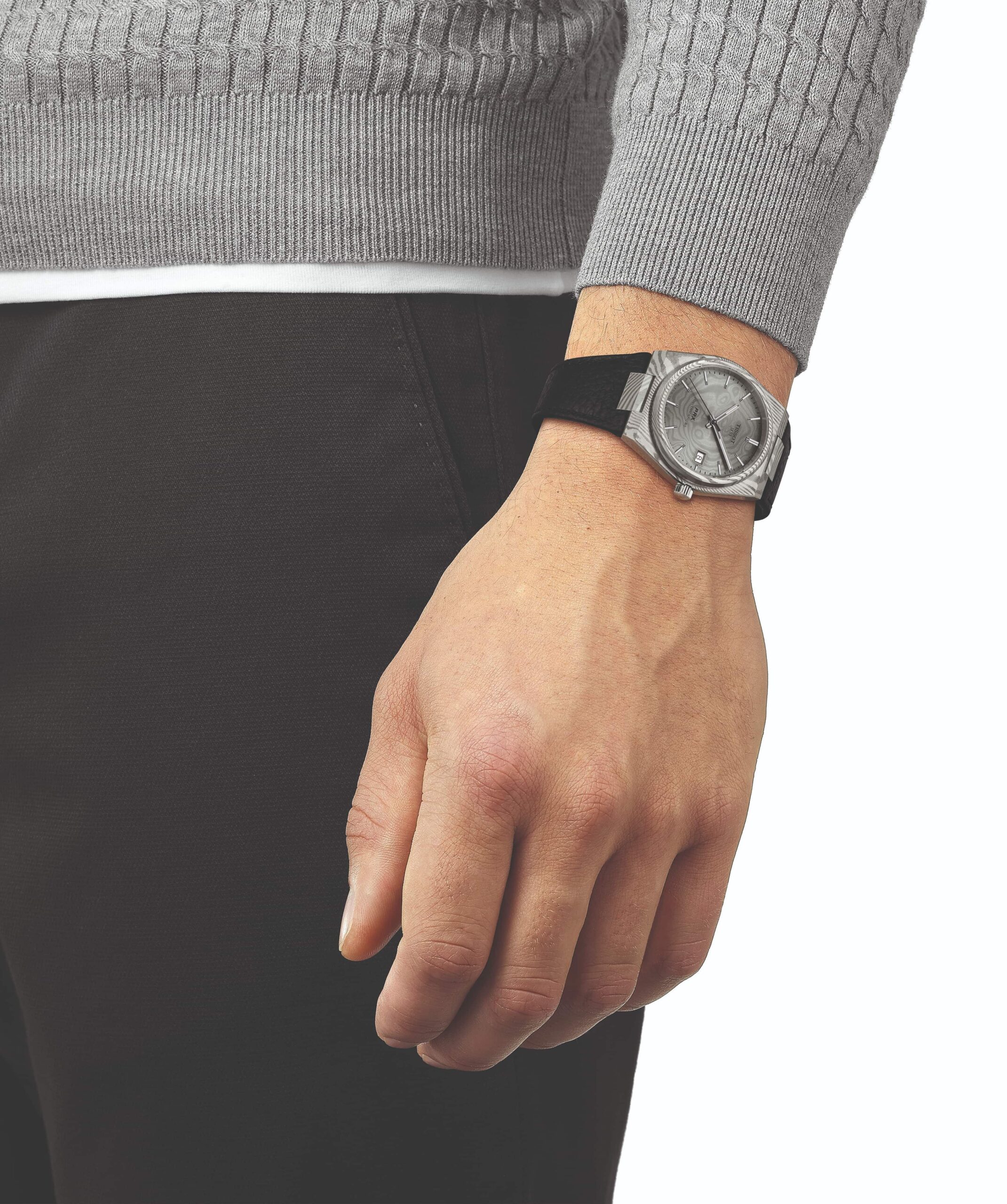
Tissot PRX 38 mm in Damascus steel

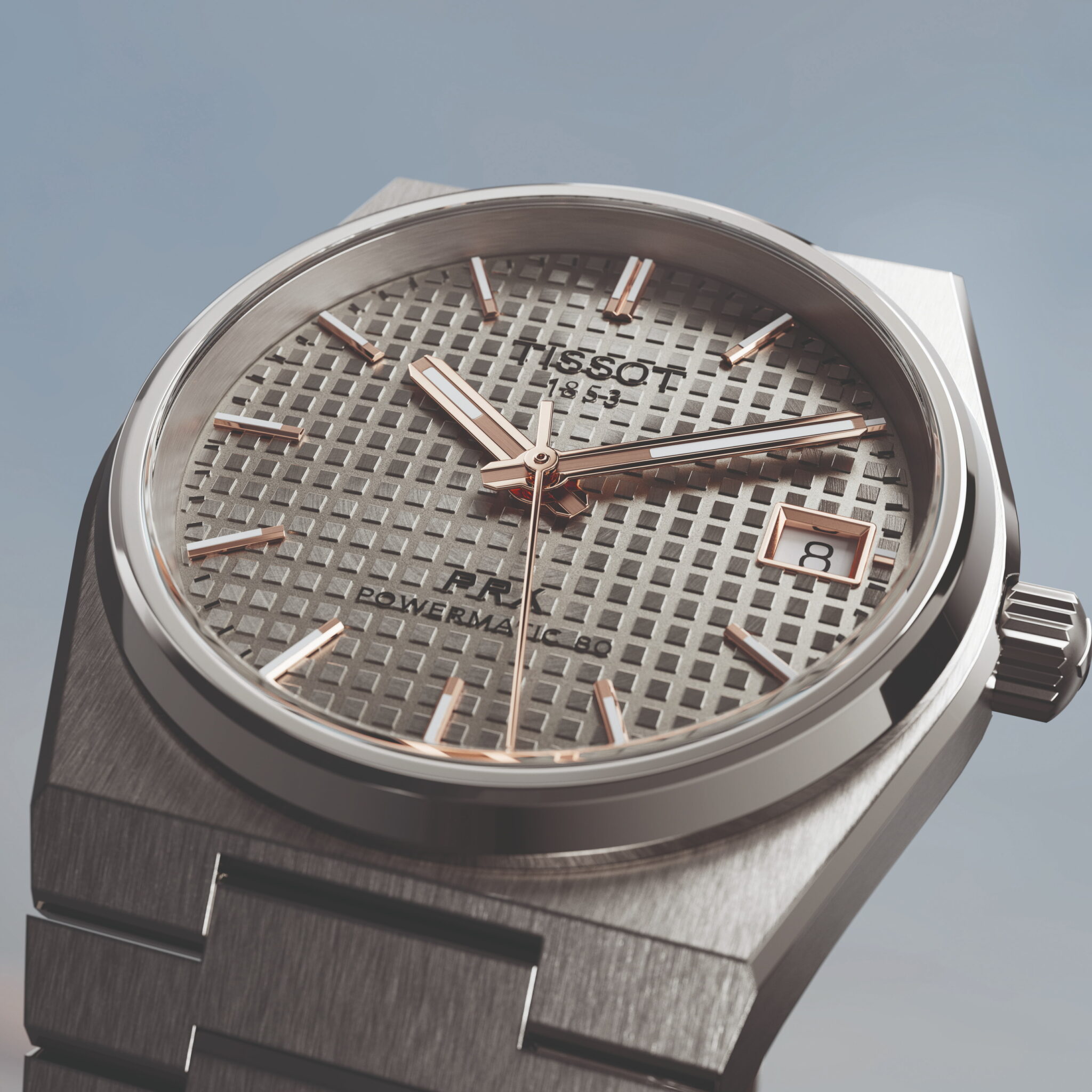
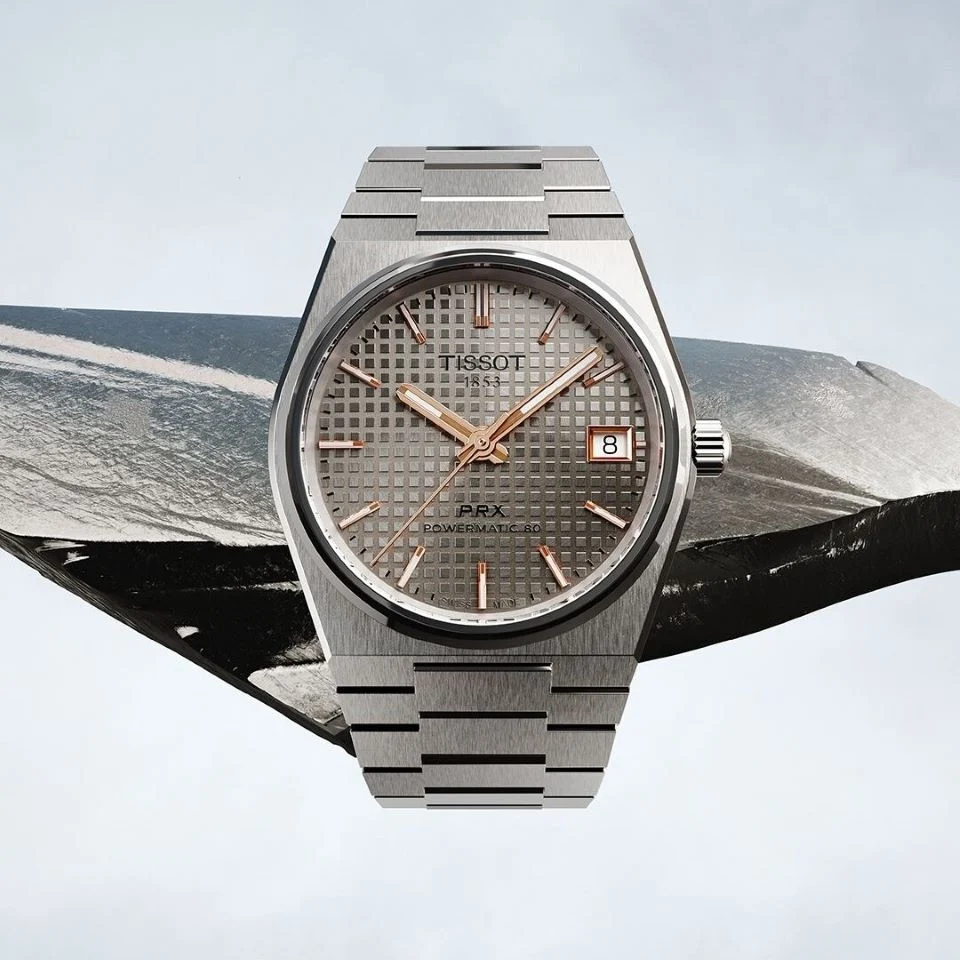
Earlier this year, WOW had the Tissot RockWatch on our cover — it could very easily have been one of these 38-millimetre PRX models instead. Very quickly, these are the PRX 38-millimetre Titanium, with two dial variants and the PRX 38-millimetre Damascus steel. The PRX has been a huge winner for Tissot, making the model itself as famous as its maker. Everyone at Tissot acknowledges this, and the product team constantly tries to make the watch better. The main pain point for many, including ourselves, was the original 40-millimetre dimensions (speaking now of the automatic versions). With the integrated bracelet, as it typically works for all such models, the watch wears larger than its advertised size. Tissot heard these concerns and responded with the 35-millimetre version, which was a closer fit, pun very slightly intended, with the 1978 proportions (of the watch that inspired the PRX). This was actually just fine but of course, something between 36 millimetres and 39 millimetres would have been excellent too.

Tissot PRX 38 mm with a titanium case and bracelet

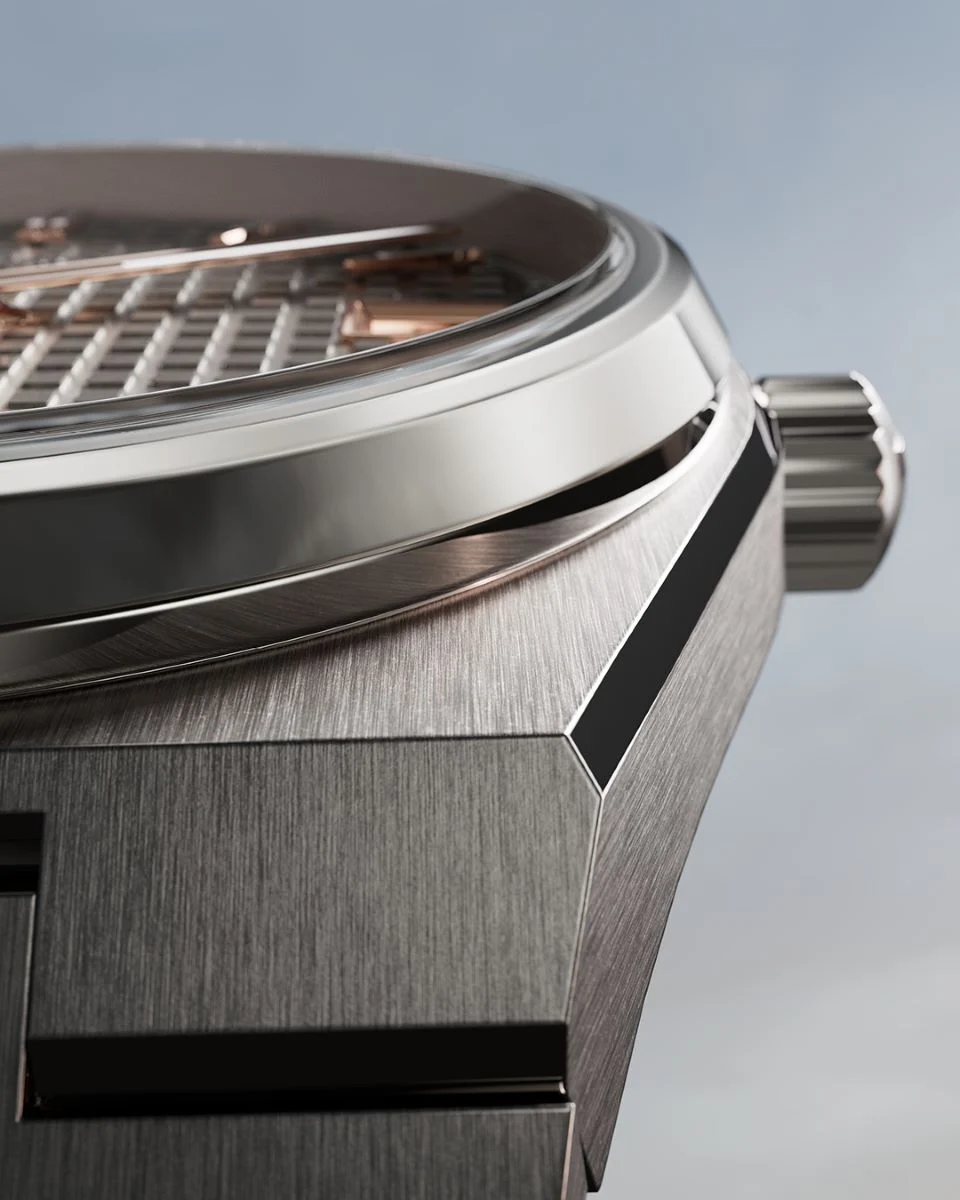
This brings us to the three watches of the hour, which we will address by flying through what they have in common so we can dig into the new materials. As clearly advertised, the watches are 38-millimetre propositions and are all 10.98 millimetres thick. The movement is the Powermatic 80, the precise specifications for which are listed below. These specifications make the PRX 38-millimetre models very familiar, although we have yet to feel the watches for ourselves so we cannot report directly on the fit and feel. What we can say is that the watches appear to wear very well, having a little more presence than the 35-millimetre version but not so much that there is an awkward overhang on more modest wrists.

With that out of the way, these two models are indeed in titanium and headline-grabbing Damascus steel. Still the preserve of pricier brands, where it might be present, Damascus steel is an interesting option for the PRX, and the brand equips this model with a leather (integrated) strap, with Damascus steel end pieces and buckle. Crucially, the dial is also in this rarefied steel, making the whole watch quite a looker. The applied markers are nickel- treated or -plated (the release says black nickelled but we do not know what that means) and glowed up with SuperLuminova. The same is true of the baton hands.

For the titanium watches, there are two variants, including one with a deep-blue waffle dial that appears to be very similar to existing waffle dials from Tissot. It features nickelled (sic) baton hands and applied indexes, keeping the look cool and sharp. The second option is more distinctive, with an anthracite dial paired with rose-gold-coloured hands and indexes. There is a refined and contrasting edge to this variant, and it also looks quite apart from any steel PRX with a blue waffle dial.

MOVEMENT Powermatic 80 with date; 80-hour power reserve
CASE 38 millimetres in titanium or Damascus steel; water-resistant to 100 metres
STRAP Titanium bracelet and leather, respectively
PRICE From MYR 3,950

Parmigiani Fleurier Unveils the Tonda PF Minute Rattrapante Reimagined in Arctic Rose

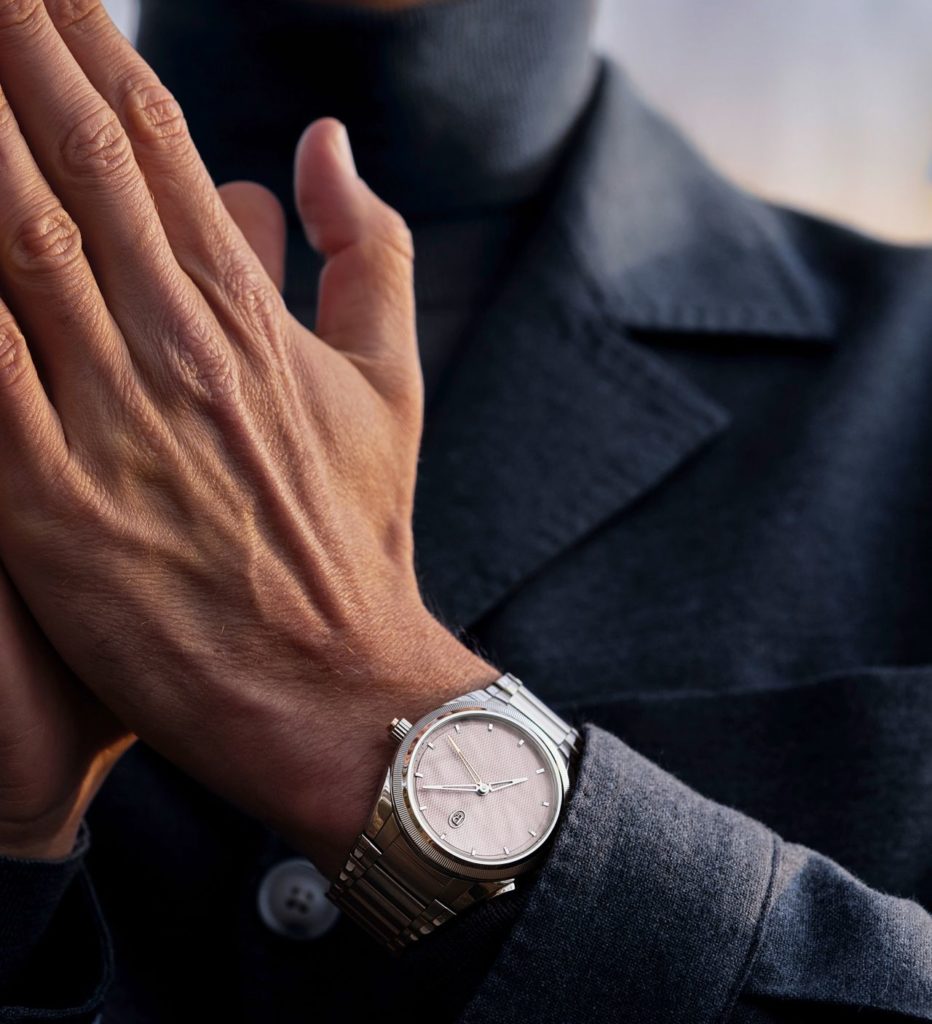
Parmigiani Fleurier Tonda PF Minute Rattrapante Arctic Rose

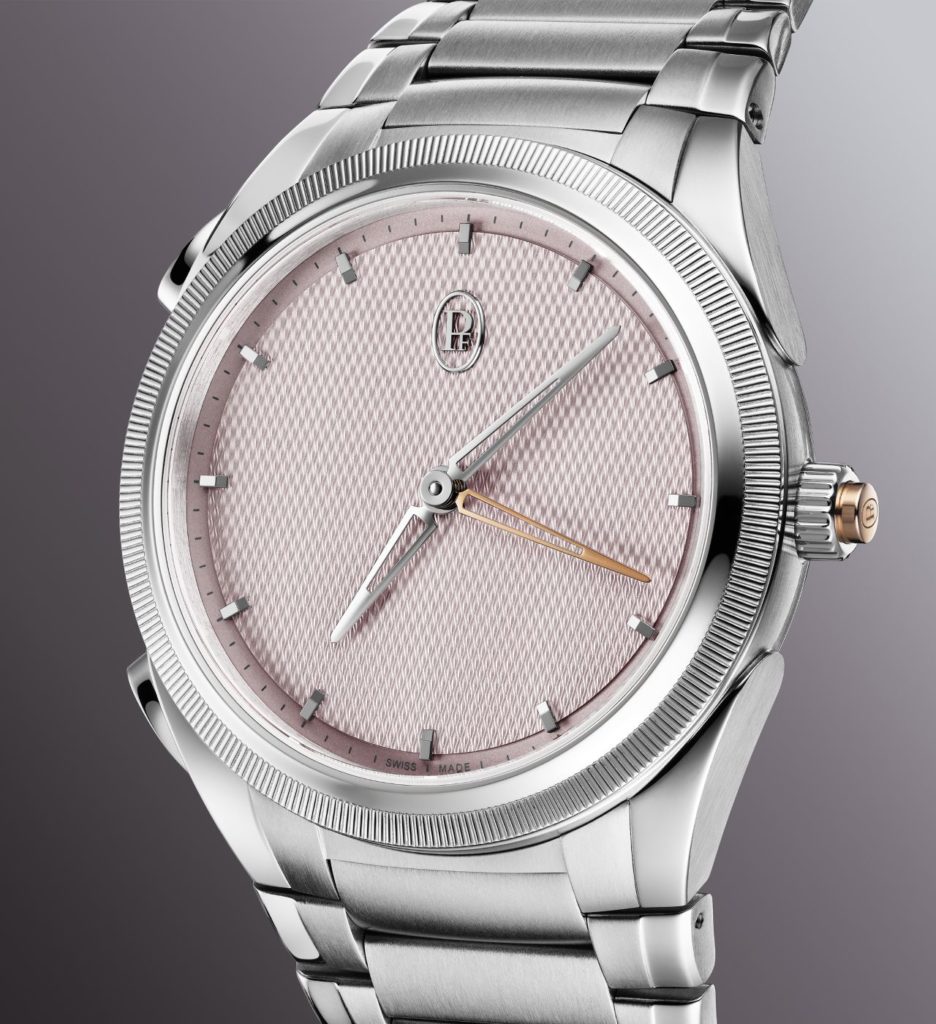
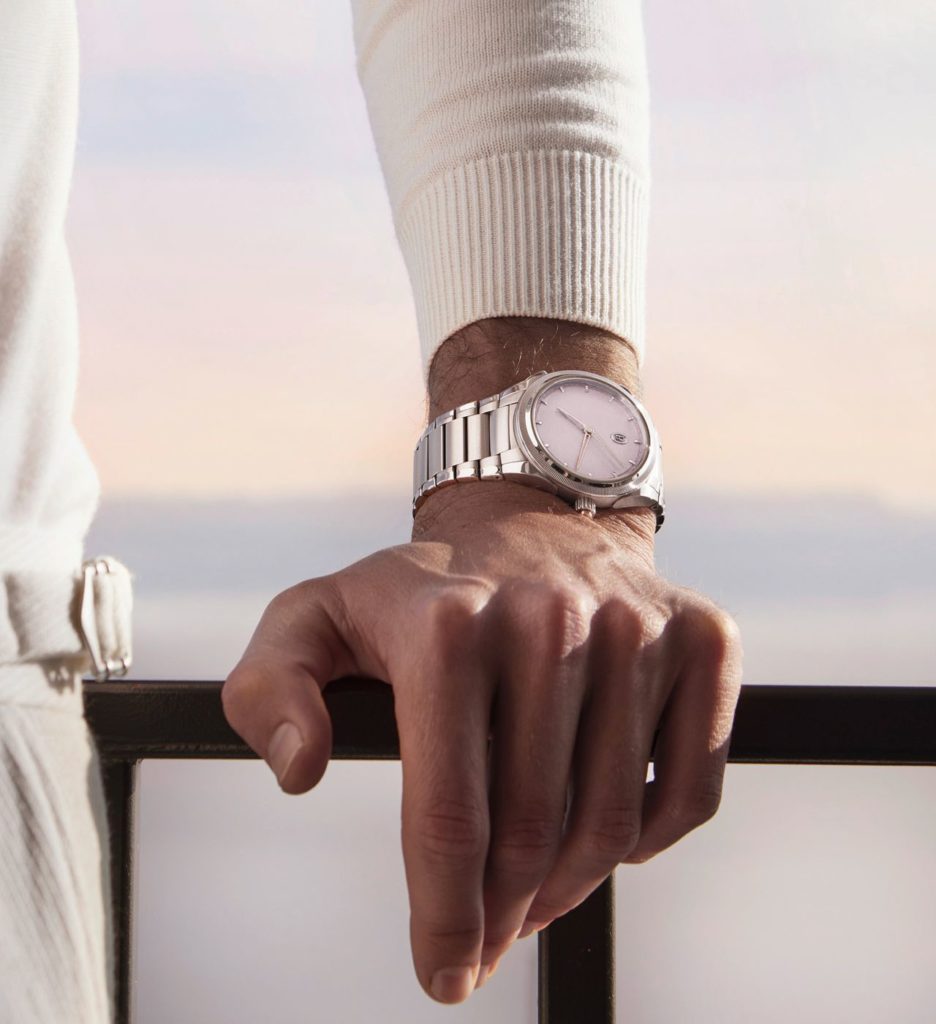
While there are no guarantees in life, you are unlikely to tire of a watch that makes you smile – and not just made you smile once, but still makes you smile. We are reminded of this with the recent debut of the Parmigiani Fleurier Tonda PF Minute Rattrapante Arctic Rose. Two years ago, when the watch was a horological premiere, we wrote that it made enthusiasts grin stupidly because it was fun. It took a winning concept, the visually hidden complexity of the brand’s GMT Rattrapante, and applied it to an additional minute hand instead of an hour hand. Why? To create a countdown function that was effectively a diver’s bezel for the tuxedo-wearing set. It was playful and it was unique, which is important given that it is not inexpensive. With this new Arctic Rose version, it also looks the part

Parmigiani Fleurier Tonda PF Minute Rattrapante Arctic Rose

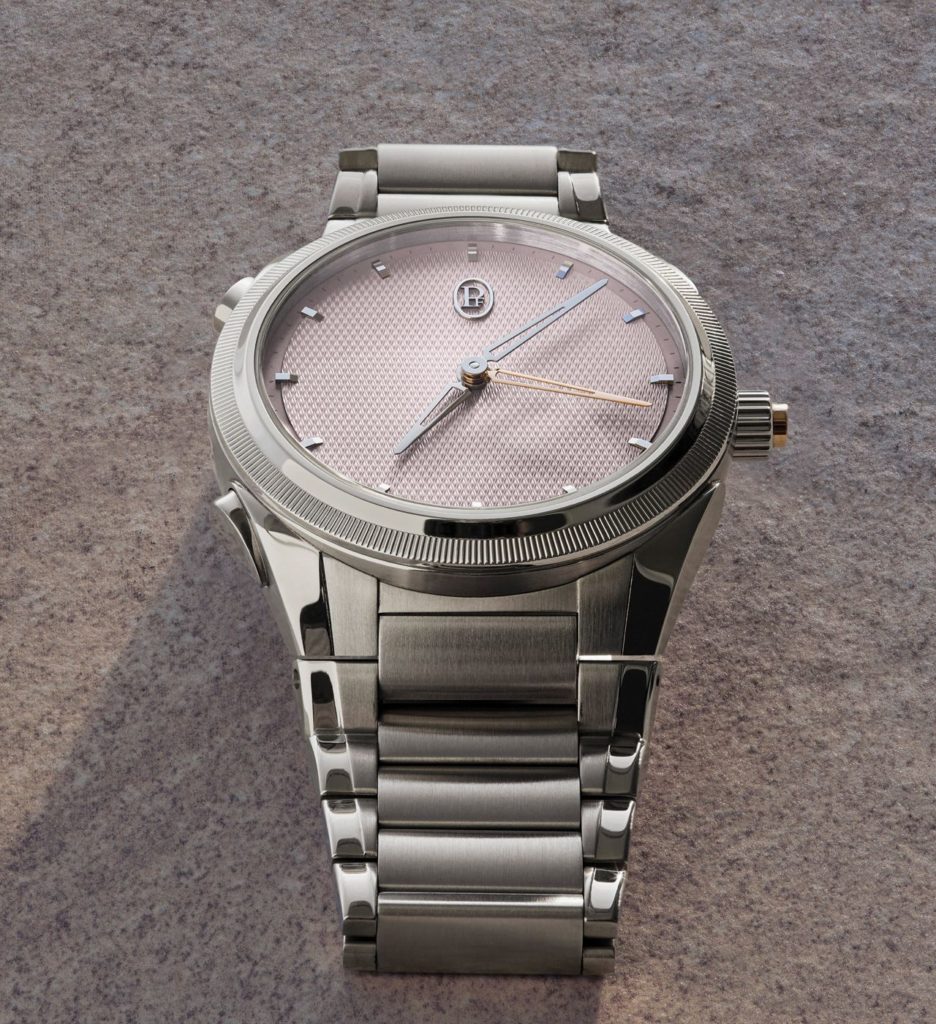
The headline here is, of course, the dial. Dubbed “Arctic Rose,” it is far from a standard salmon or copper dial. It reportedly possesses a crystalline quality, shifting hues with the light; we have not handled it in the metal to test this feature of the pale palette. Parmigiani Fleurier is careful to note that this is not a mere fashion statement; it is a historical reclamation, or perhaps sartorial justice.

In the 18th and 19th century, rose was a colour of masculine refinement and distinction, but that changed with marketing and social trends of the mid-20th century. By reintroducing this shade to masculine watchmaking, the brand affirms an aesthetic freed from convention, calling it “the language of a confident elegance”. The dial is finished with the firm’s signature Grain d’Orge guilloché. As always, we expect that it is executed in a pattern so fine it creates a hypnotic texture that lends the dial depth and movement.

While the face has changed, the substance of the watch remains intact. For those who missed the 2023 debut, the genius of this watch lies in its counter-intuitive simplicity.

At first glance, it appears to be a simple two-hand dress watch. However, hiding in plain sight is a second minute hand in rose gold, superimposed beneath the rhodium-plated real-time hand. It remains invisible until the function is activated, awakening only when summoned.

Parmigiani Fleurier Tonda PF Minute Rattrapante Arctic Rose

Housing this “private luxury” is a 40mm stainless-steel case, measuring a slender 10.7mm in thickness. It features the collection’s identifying knurled platinum bezel, a signature we remain enthusiastic about.

Inside the Tonda PF Minute Rattrapante Arctic Rose beats Calibre PF052, an automatic movement with a micro-rotor that is as aesthetically pleasing as it is technically proficient; it is of course the same movement that did the heavy lifting in the first version in 2023.

MOVEMENT Automatic calibre PF052 with rattrapante minute hand; 48-hour power reserve
CASE 40mm in steel with platinum bezel; water-resistant to 100m
STRAP Bracelet
PRICE CHF29,700

Liquid Gold: Rolex Perpetual 1908 and the Art of the Settimo Bracelet

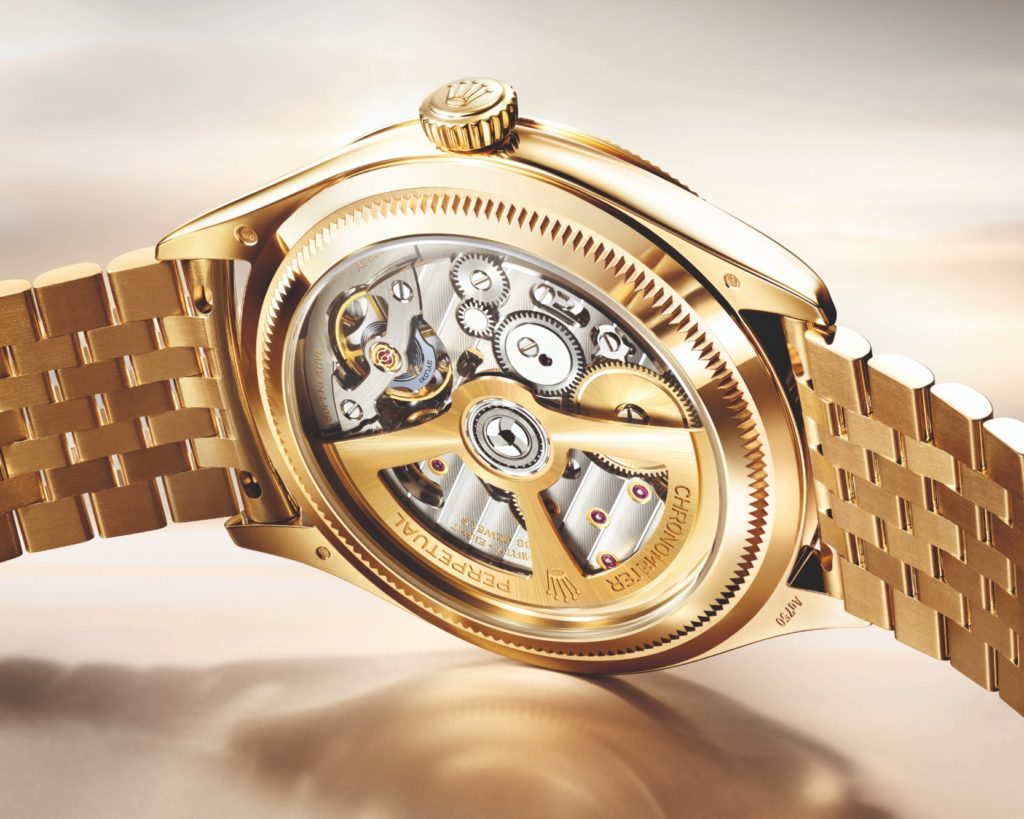
Stacked from 55 images. Method=B (R=8,S=4)

In the lexicon of Rolex, “Perpetual” has always meant more than just a rotor; it signifies an enduring legacy. When the brand introduced the Perpetual 1908 collection in 2023, it was not merely launching a new reference – it was reclaiming the dress watch territory with a masterclass in sartorial discretion. Now, for 2025, Rolex deepens that conversation, introducing a tactile evolution that transforms the 1908 from a leather strap-only affair into a showcase of gold-smithing virtuosity: the Settimo bracelet.

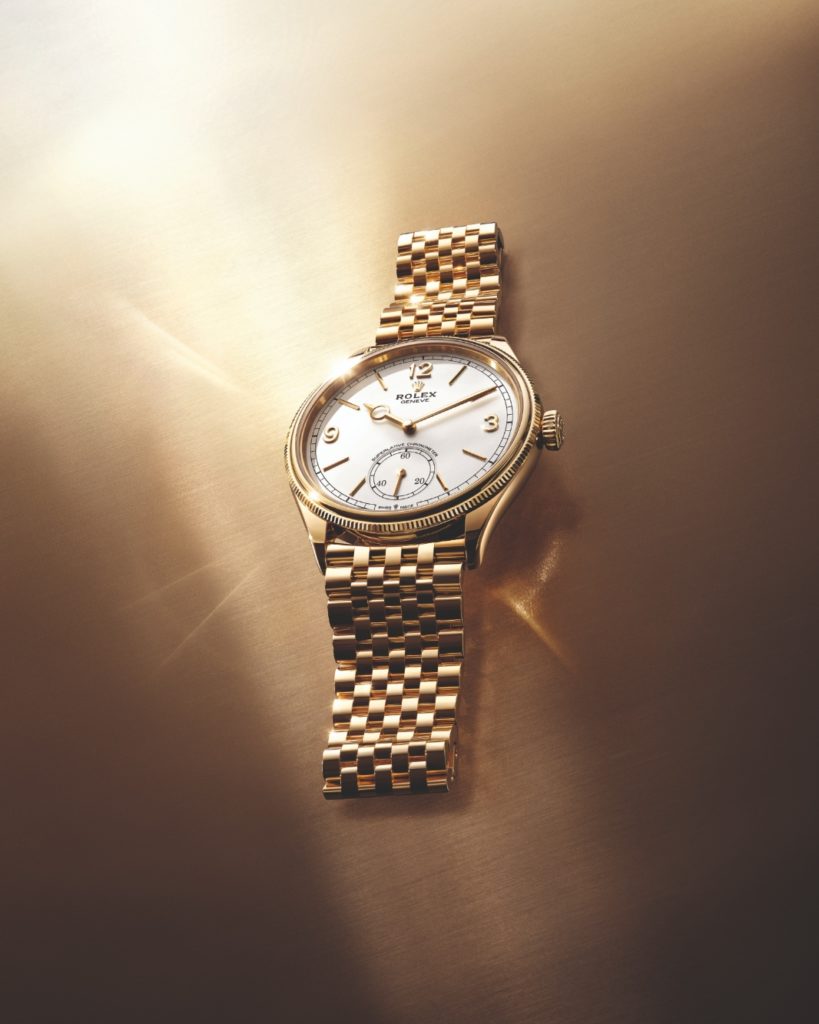
The headline for the 2025 collection is undoubtedly the introduction of the Settimo bracelet, debuted exclusively on the 18ct yellow gold model.

For decades, the mental image of a Rolex has been inextricably linked to the Oyster, Jubilee, or President bracelets. The Settimo enters this pantheon with a distinct personality. Composed of seven very small, slightly contoured link elements per row, it is a construction that prioritizes suppleness. The press materials describe it as having a “sparkle of reflected light,” achieved through fully polished surfaces that evoke the jewellery-inspired bracelets of mid-century vintage pieces.

Oyster Perpetual 1908

On the wrist, this translates to a “liquid” gold feel – rarely has solid gold felt so light. Rolex has engineered the Settimo to be as supple as it is striking. The slightly contoured links are designed to hug the wrist gently, offering a level of comfort that rivals the collection’s original leather straps. Secured by a concealed Crownclasp, the bracelet maintains a seamless visual harmony, uninterrupted by visible hardware. A patent has been filed for the special attachment system that connects the bracelet to the middle case, ensuring the integration is both robust and aesthetically refined. Thus, the Settimo bracelet is a bold move that shifts the 1908 from a pure dress watch into a slightly more versatile, yet undeniably opulent, territory.

The case itself retains the slender and sophisticated proportions that defined the inaugural 1908 models. The 39 mm case is crafted from 18 ct yellow gold and features the collection’s signature divided bezel: the lower part that meets the case is embellished with elegant fluting, while the upper part that meets the crystal is domed. Cases are slim at 9.50 mm but also robust, being waterproof to 50 metres.

Oyster Perpetual 1908 Yellow Gold

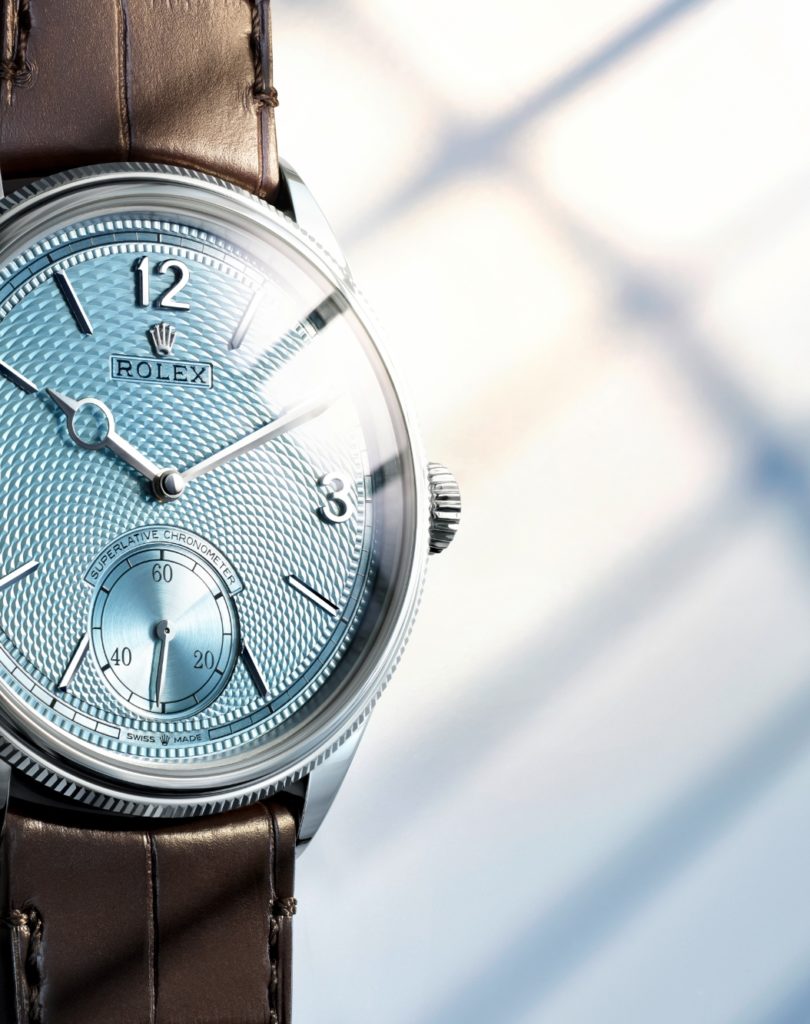
While the yellow gold model flaunts the new metalwork, the 950 platinum reference offers a masterclass in dial-making. This version features an ice blue dial – the signature colour of Rolex platinum watches – but with a texture that demands a loupe to fully appreciate. The dial is finished with a guilloché rice-grain motif, a geometric pattern that radiates from the small seconds counter at 6 o’clock. This is not just a flat stamp; it is a three-dimensional landscape. The minute track is bordered by a filet sauté with a crimped pattern, adding layers of depth to the display.

For those preferring the warmth of 18ct yellow gold or the stealth of 18ct white gold, the collection continues to offer intense white and intense black dials with a fine satin finish, maintaining the “simplicity and purity” that defined the collection’s launch. The display adheres to the collection’s classic layout, featuring Arabic numerals at 3, 9, and 12, faceted index hour markers, and a small seconds counter at 6 o’clock. The hour hand features a Breguet-style open circle, while the minute hand is shaped like a two-edged sword, blending contemporary readability with vintage charm.

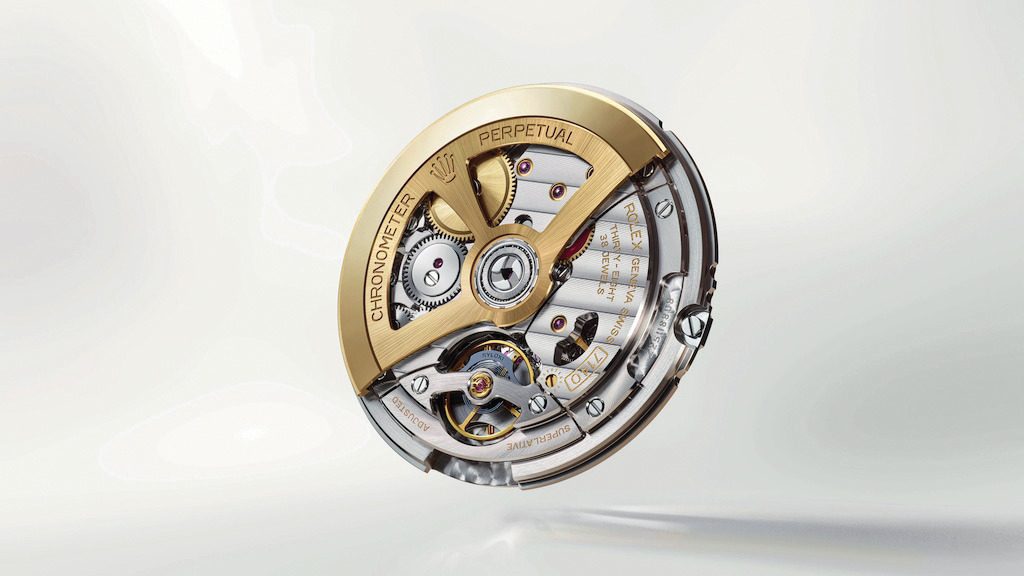
Calibre 7140

Beating inside the new 1908 is the calibre 7140, a self-winding mechanical movement developed and manufactured entirely by Rolex. The Perpetual collection features a transparent sapphire case back, allowing wearers to admire the movement’s exclusive decoration. The bridges are finished with Rolex Côtes de Genève, a variation on the traditional decoration that adds a polished groove between each band.

Technically, calibre 7140 is in a class of its own. It features the Syloxi hairspring in silicon and the Chronergy escapement in nickel-phosphorus, making it impervious to magnetic fields. The oscillating weight is made of 18 ct yellow gold and openworked, ensuring the view of the movement is not obstructed. With a 66- hour power reserve and Superlative Chronometer status, it proves that elegance does not require a compromise on performance.

Perpetual 1908 in 950 platinum

On that note, like all Rolex watches, the Perpetual 1908 has earned the aforementioned Superlative Chronometer certification. Redefined by Rolex in 2015, this designation attests that every fully assembled watch has successfully undergone rigorous in-house testing.

Rolex tests the cased watch to ensure precision within -2/+2 seconds per day – significantly stricter than standard Swiss Official Chronometer Testing Institute requirements. This automated testing protocol also verifies waterproofness, self-winding capacity, and power reserve to simulate real-life wear conditions. The status is symbolised by the green seal accompanying every watch and includes an international five- year guarantee.

Norqain’s Wild One Takes Shape from Outer Space

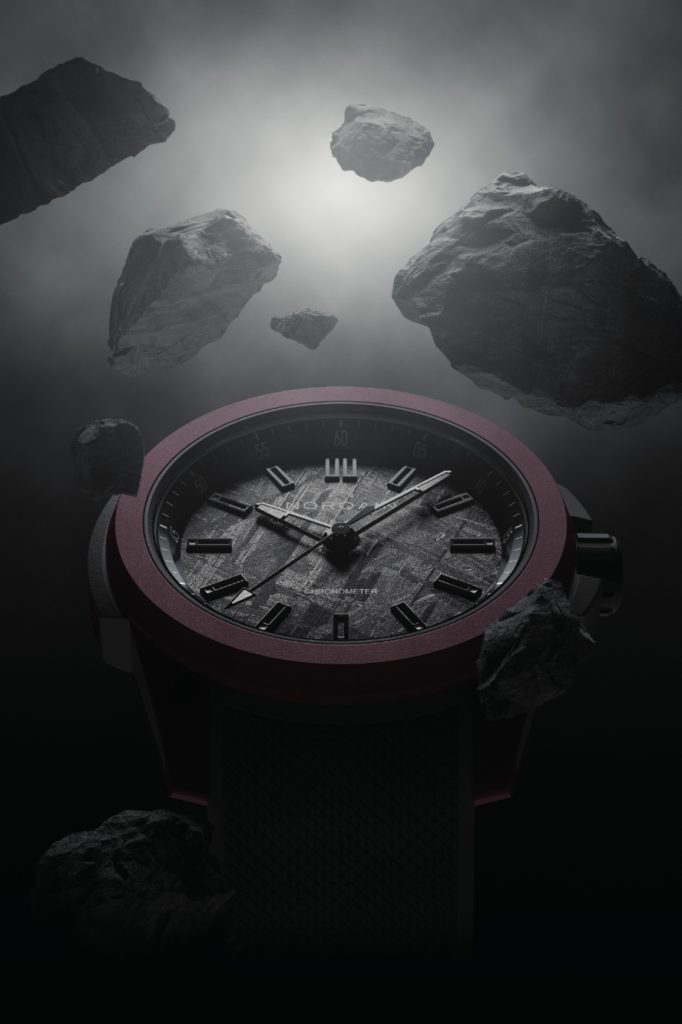
Independent Swiss watchmaker Norqain delivers a watch from outer space, literally. The Wild One Meteorite 42mm Special Edition is the brand’s first-ever creation to feature a dial hewn from extraterrestrial rock, as the name suggests.

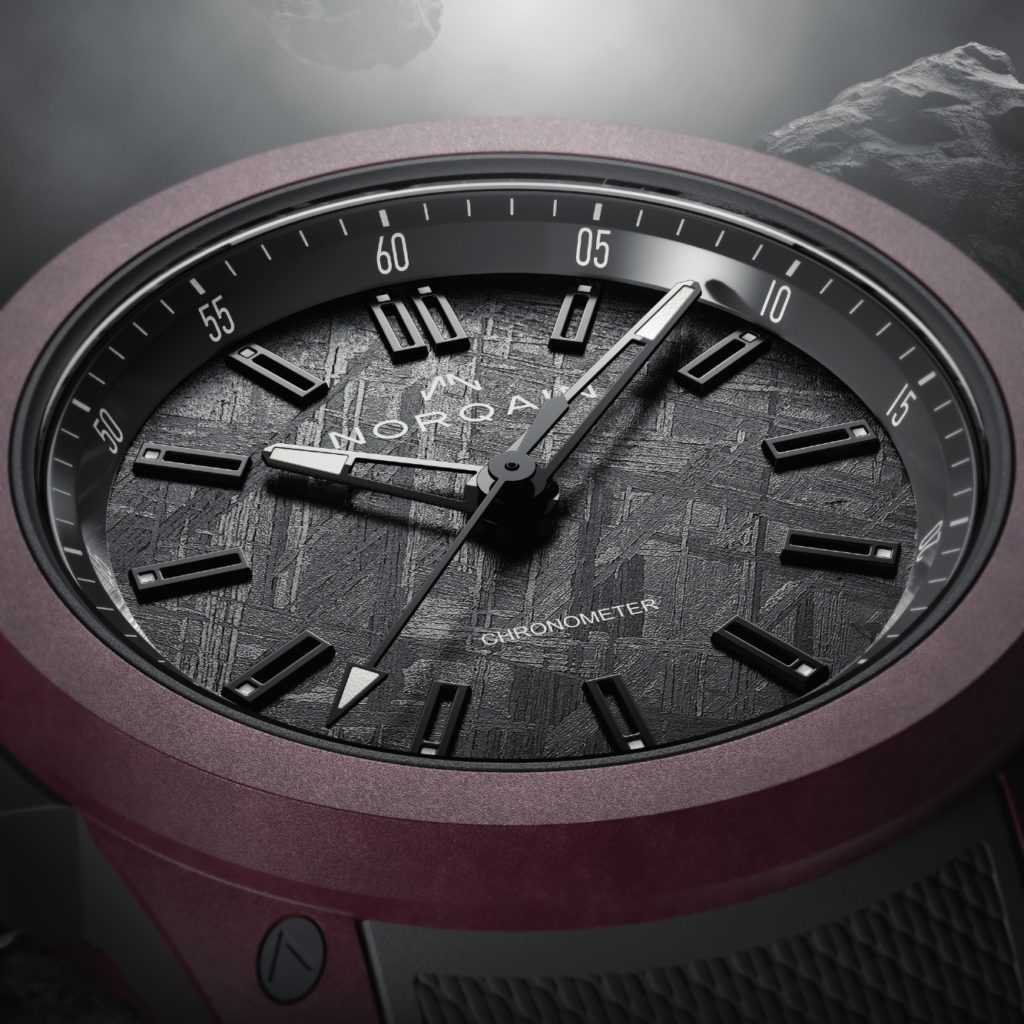
The centrepiece of the special edition is its dial, which is cut from an honest-to-goodness iron meteorite. Needless to say, each dial is one-of-a-kind, showcasing the distinctive Widmanstätten pattern — a crystalline structure formed over millions of years as metallic asteroids slowly cooled in space. This funky name explains the appeal here, for those in the know, and it is also handy shorthand for the unique looks of the dial. Of course, the latest Wild One is not only about a pretty face.

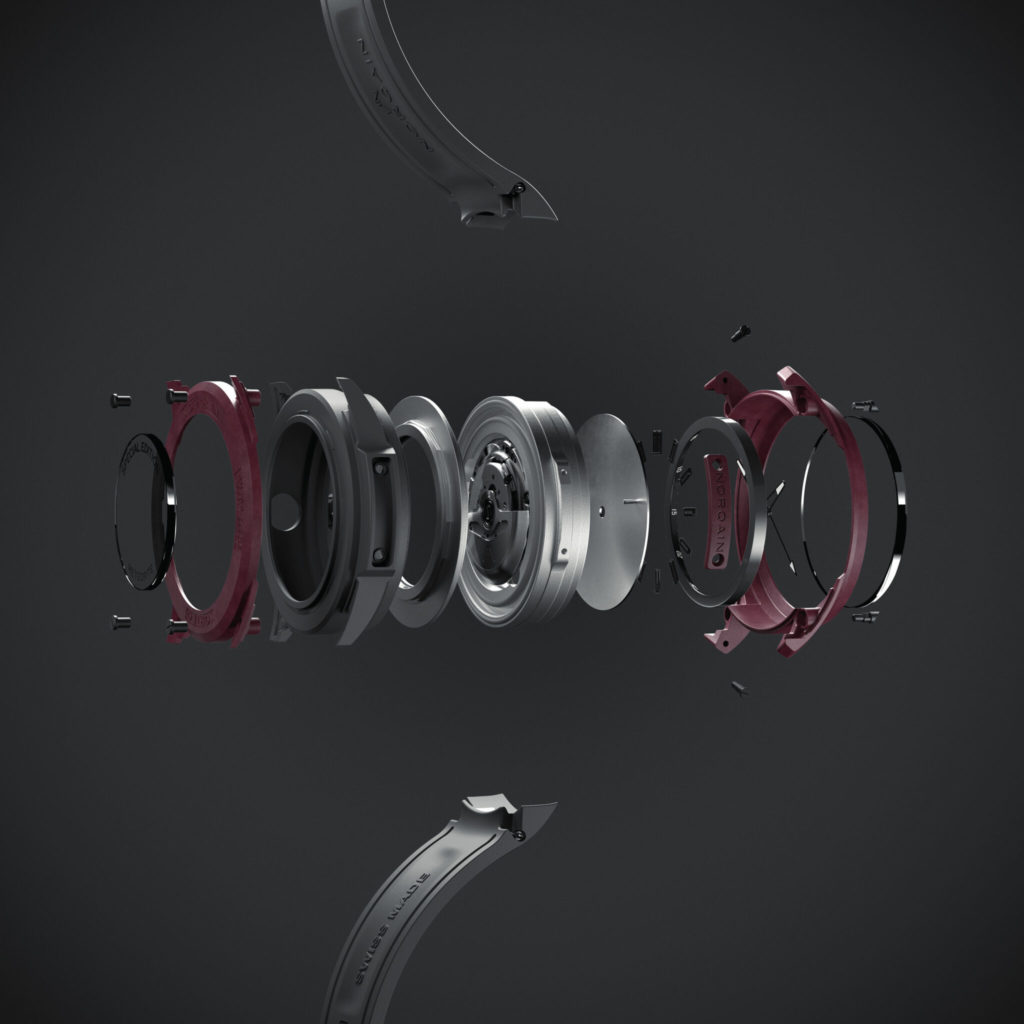
The dial is just the most newsworthy part of the striking 42mm burgundy watch, featuring a case made from Norteq®, the innovative and ultra-light carbon-fibre composite developed for the brand by specialist maker Biwi. The revolutionary case, consisting of 25 components, is six times lighter than steel and exceptionally shock-resistant, continuing the high-performance legacy of the Wild One collection developed in collaboration with industry legend Jean-Claude Biver.

“The iron meteorite dial taps into something wonderfully primal,” said Norqain founder and CEO Ben Küffer. “We’re dealing with a source material that travelled from a distant part of our solar system, got through our atmosphere, was discovered in northern Sweden, and ultimately found its way into a unique Norqain watch. Everyone who looks at the Wild One Meteorite Special Edition reacts with amazement. It’s hard to take your eyes off it. We like it when our watches tell stories and this one, which started millions of years ago, is truly remarkable!”

Behind the eye-catching dial, the COSC-certified Kenissi-developed calibre NN20/1 is hard at work, and its every beat can be admired through the sapphire crystal caseback. In case the movement mesmerises too much, the sapphire crystal bears the unmistakable inscription “SPECIAL EDITION, METEORITE” to underscore what makes the watch especially exclusive.

On that note, the Norqain Wild One Meteorite Special Edition became available for purchase starting November 18. Production is limited to 300 pieces for 2025.

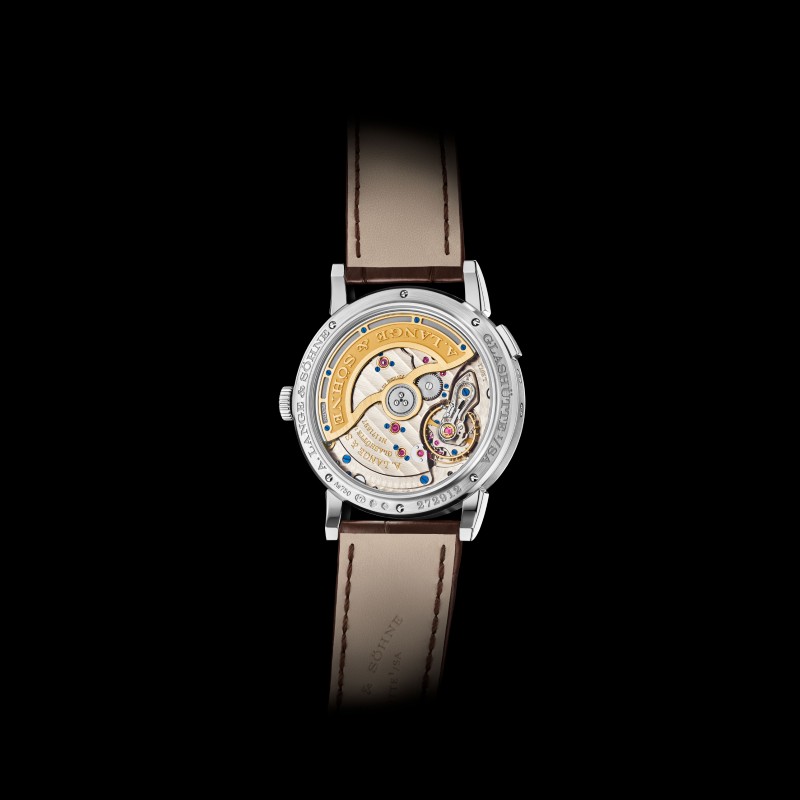
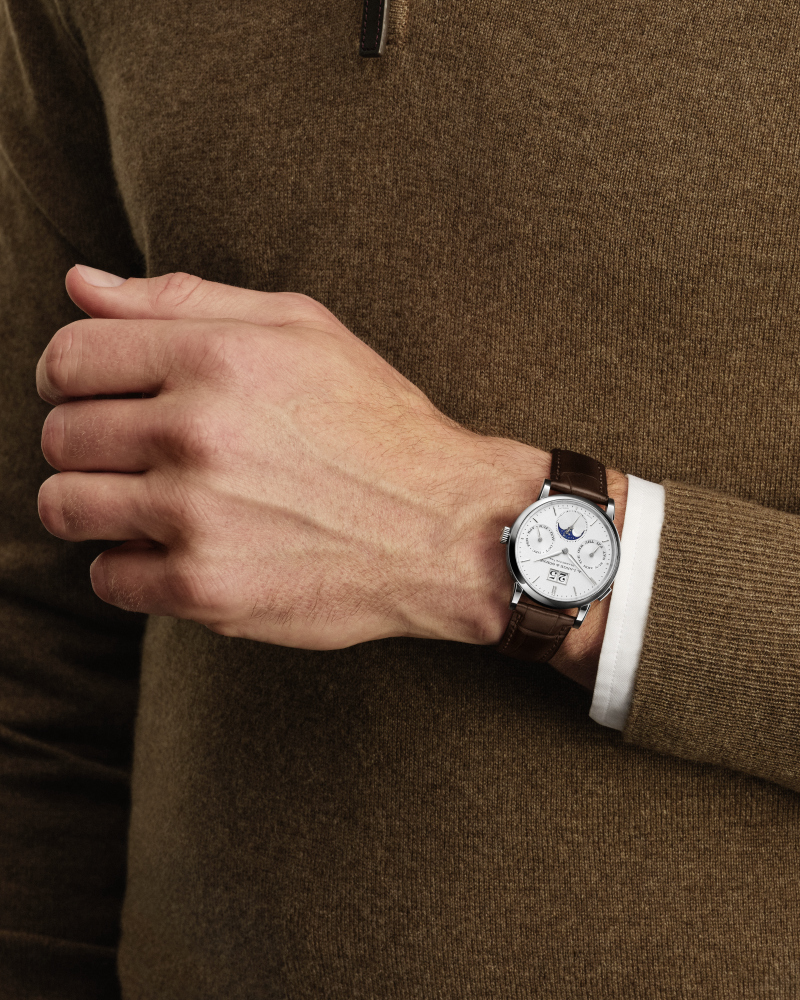
Precision in Pink: A. Lange & Söhne’s Richard Lange Jumping Seconds

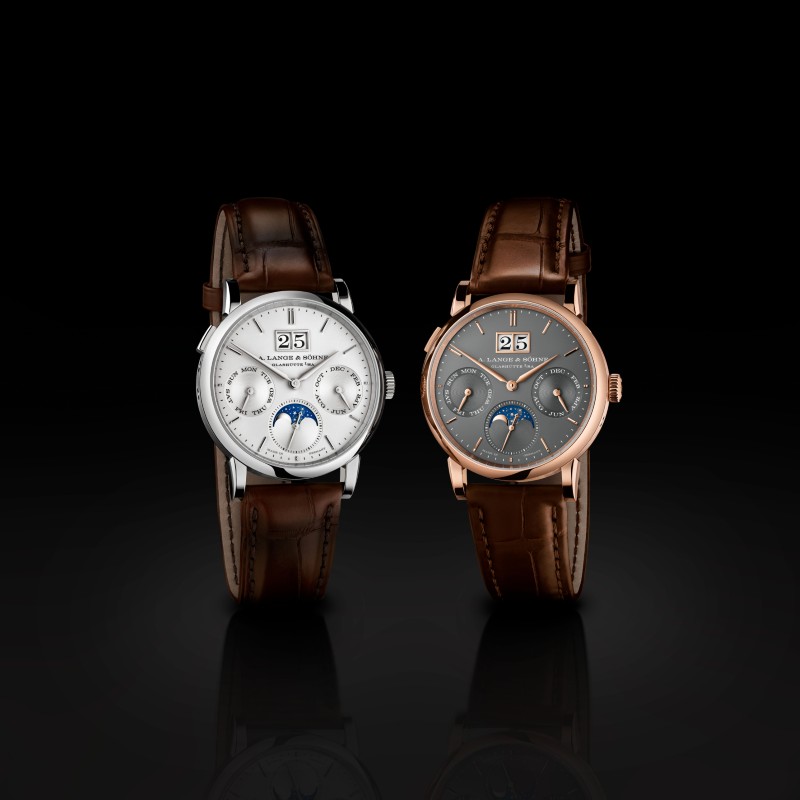
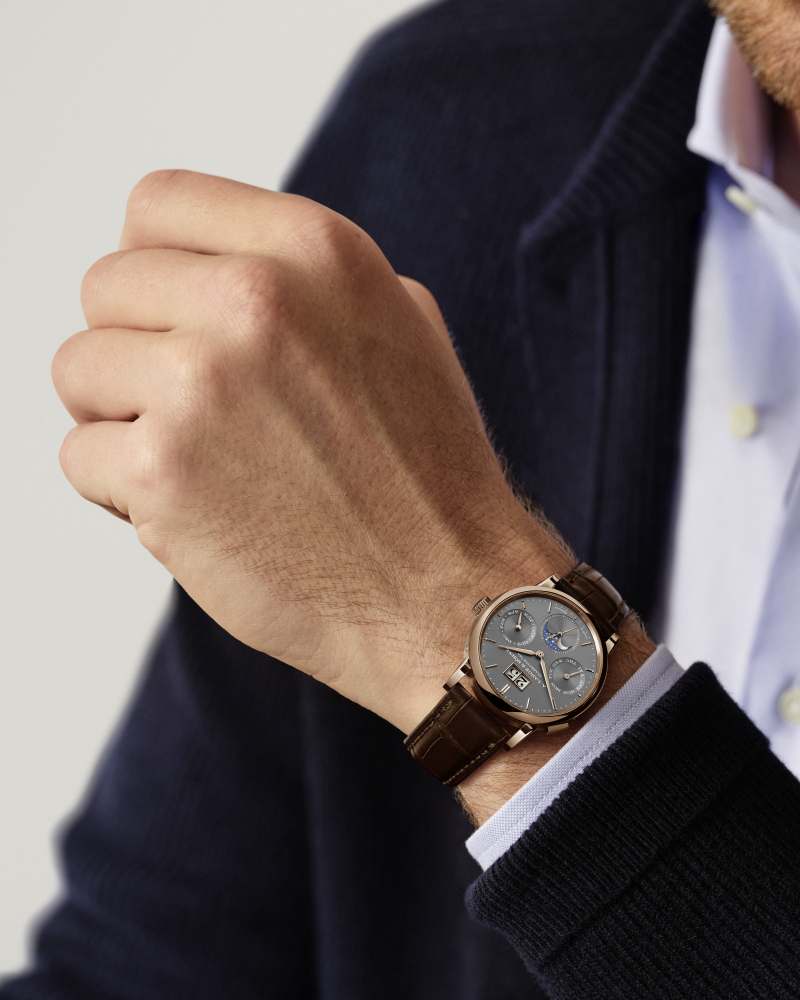
A. Lange & Söhne demonstrates quiet confidence with the Richard Lange Jumping Seconds

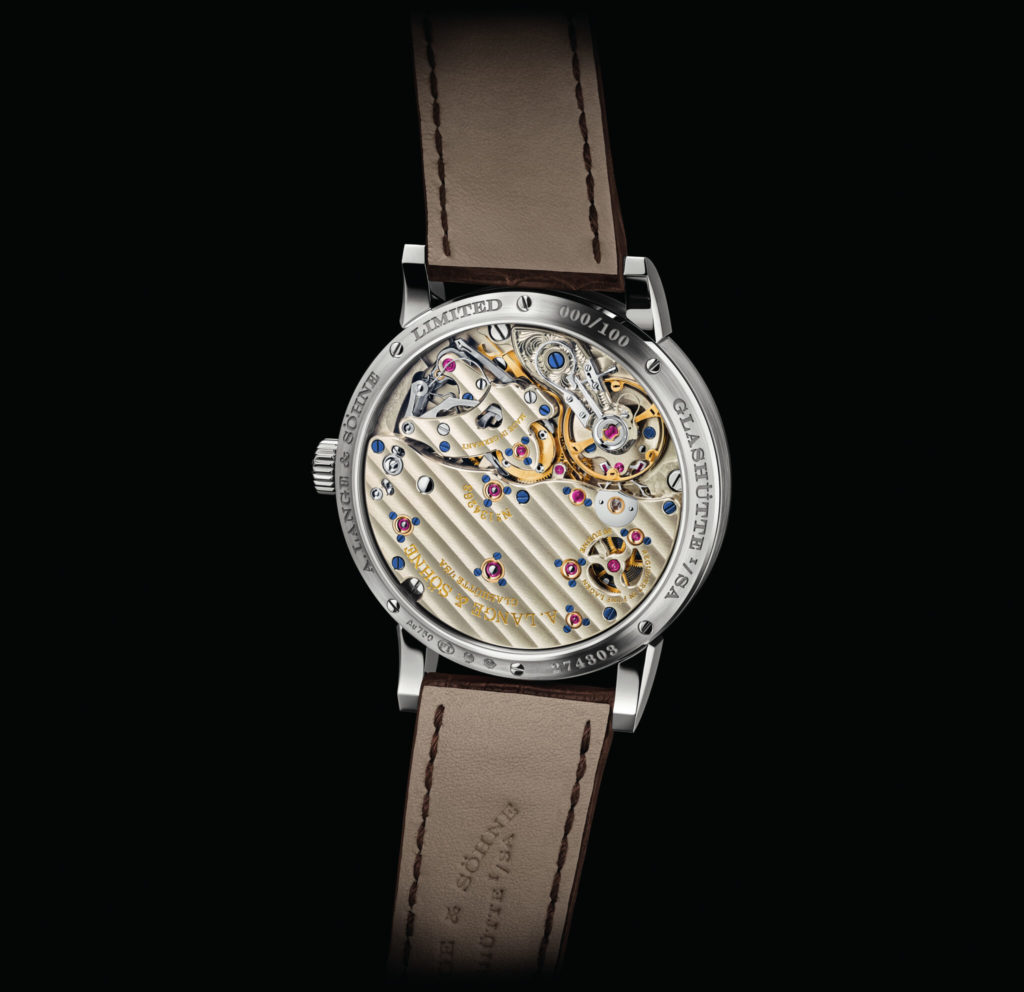
If nothing else, A. Lange & Söhne has a way of stunning even seasoned observers of the trade by doing no more than changing the dial, as it does here with the new Richard Lange Jumping Seconds. For example, the editor of WOW SG confessed he thought it was new when he first saw it in the metal, only to realise that watch proper debuted in 2016 (he obviously did not read the press release). Since this title has never covered it directly, this story offers a remedy of sorts for WOW – and lets us get into the sublime calibre L094.1 as if it was the first time (think of the Pulp song and sing along). The same editor also offers his own thoughts on the dial, which are paraphrased here.

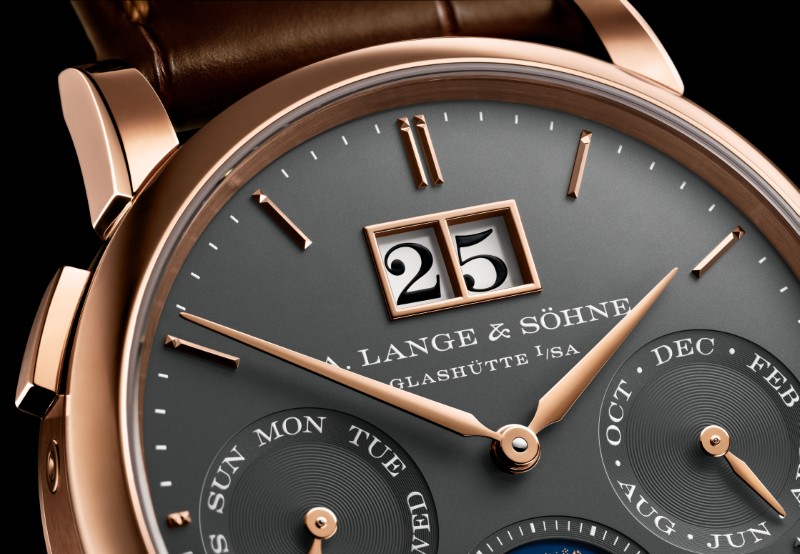
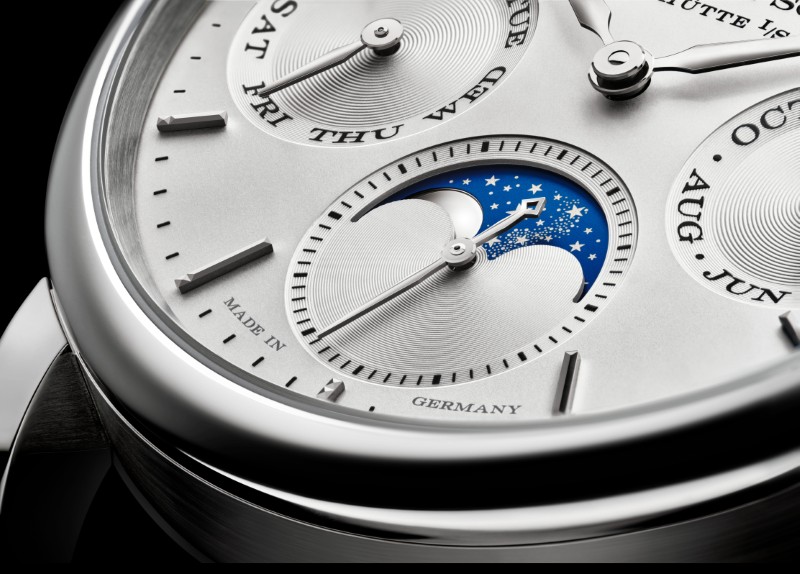
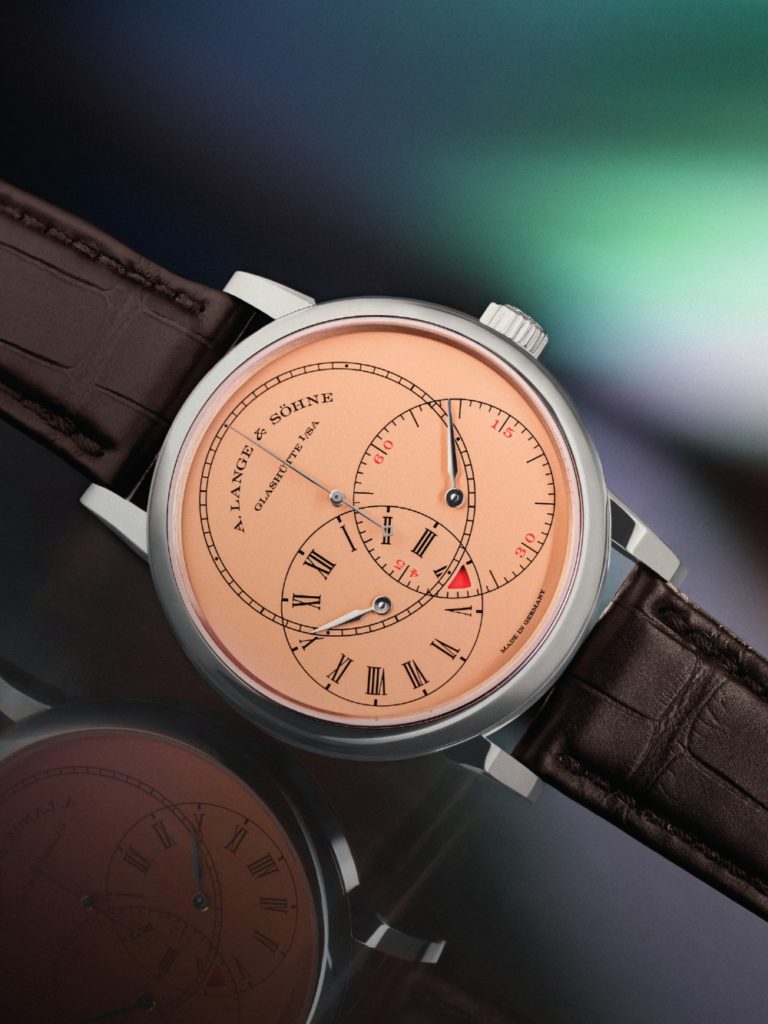
As you will no doubt have heard, the dial of the Richard Lange Jumping Seconds is no mere salmon dial. This is solid 18k gold that looks for all the world like some sort of surface treatment has been applied but the brand assures us that this is not the story. The frosted finish here makes the dial look nothing like the average pink gold case that you might be familiar with, dear reader. It is also nothing like frosting in white gold or yellow gold. In short, this is an astonishingly good choice of materials here, paired as it is with a white-gold case. The solid pink-gold dial (Lange’s fourth use of this material, following icons such as the Datograph Perpetual Tourbillon) is punctuated by crisp black markings and rhodiumised hands (steel for seconds, gold for the rest).

Fittingly, the first thing that strikes you about the Richard Lange Jumping Seconds is its face. It is a study in hierarchy and might lull you into thinking it is asymmetrical but it is not. The largest sub-dial, positioned prominently at the top, is dedicated to the seconds – a grande seconde display, as it were. The hours and minutes are relegated to smaller, overlapping circles below (this is a style that I am so personally fond of that I must rely on others to be professional about a story). Note the central red spot, which is the indicator that power is running low.

This distinctive “regulator” layout is not a modern affectation but a nod to Saxon history. The design draws direct inspiration from Chronometer No. 93, a pocket watch crafted in the late 18th century by Johann Heinrich Seyffert. The spiritual progenitor of precision watchmaking in Saxony, Seyffert designed his regulators to prevent the hour and minute hands from obscuring the seconds – a critical feature for astronomers and navigators of the era, and a point of contention amongst the most nitpicky of collectors.

On that note, the movement here is the muscle and we like lifting! The Calibre L094.1 is a beast of 390 parts, and its complexity is dedicated to a singular, obsessive goal: dividing up the seconds as evenly as possible, seconde morte style! In other words, the second hand here ticks precisely 60 times a minute.

Limited to just 100 pieces, the 2025 Richard Lange Jumping Seconds in white gold is a watch for those who have moved past the need for loud statements. It is 39.9mm of quiet confidence.

Resurfacing: Planet Ocean Rides Its Fourth Wave

The endless summer of the dive watch continues apace with the debut of the Omega Planet Ocean, a fourth generation upgrade on the occasion of the 20th anniversary of the collection. Yes, the Seamaster Planet Ocean debuted in 2005 but it retains all the muscle memory of the Seamaster.

The distinguishing factor, arguably, is the helium escape valve and the signature orange bezel. Now, everything has changed because that helium valve is gone and, really, the entire form factor has changed. It is so intriguing that we are chomping at the bit to get our hands on the watches in the metal. For now, here is what you should know about the refreshed Omega dive watch icon, which includes no less than seven references (with three new watch heads).

We will start in 2005 because that seems a good fit, although the presser indicates that Seamaster models from the 1980s and 1990s deeply influenced the 2025 refresh. The watch was always meant to deliver the impression of a submarine – bold, heavy, and unapologetically engineered for tool watch enthusiasts. Yes, it carried the DNA of the 1957 Seamaster 300 but forged its own identity with a distinctive helium escape valve and a vibrant orange bezel that remains a key part of its visual identity.

The first thing you notice about the 2025 Planet Ocean is the aforementioned helium escape valve, or rather its absence. For two decades, what looked like a faux crown protruding from the 10 o’clock position intrigued from just a visual standpoint. Of course, it was a technical necessity for saturation divers so its absence requires an explanation. 

This is not a retreat from capability; it is a triumph of engineering. Borrowing technology from the record-breaking Ultra Deep project of 2019, Omega’s watchmakers have developed and implemented a new case architecture. A Grade 5 Titanium inner ring now sits within the stainless steel body, providing such immense structural integrity that the separate valve is no longer needed to keep the watch sealed against the atomic ingress of helium.

The result is a silhouette that is sharper, more angular, and significantly more refined. The watch has shed weight and bulk, dropping from a thickness of 16.1 mm to a sleek 13.79 mm. Topped with a flat sapphire crystal (another new feature), the 42 mm case reportedly slides under a cuff with an ease its predecessors never quite managed, yet it retains the formidable 600-meter water resistance that defines its name.

If the shape is the body, the colour is the soul. The Planet Ocean’s legacy is written in orange, a colour chosen not just for style, but for its visibility in the twilight zone of the upper ocean. However, replicating that specific, vibrant orange in ceramic—a material notorious for dulling bright pigments during the sintering process—has been one of Omega’s most difficult missions.

With the new Planet Ocean, it is “mission accomplished” for Omega. The new collection features a polished orange ceramic bezel [ZrO2] that glows with the intensity of the original aluminium models but possesses a scratch-proof permanence that will never dull. It is joined by models in a deep, glossy black and a rich maritime blue, each bezel ring filled with white enamel or hybrid ceramic scales that will never fade.

Beneath the sapphire crystal, the dial remains matte black, which suits the tool watch aesthetic well – legibility is king here. The signature broad-arrow hands return, sweeping past indexes filled with Super-LumiNova. But look closer at the Arabic numerals. The typography has shifted. The subtle typographic sharpening mirrors the new angularity of the watch head and bracelet.

Flipping the watch over reveals another nod to the pursuit of slimness. The exhibition caseback is gone, replaced by a screw-in caseback of Grade 5 Titanium (sapphire crystal windows of exhibition casebacks make cases thicker). It features the classic waved edge and lightly embossed Omega Seahorse emblem, a tactile connection to the brand’s history.

Inside beats the Co-Axial Master Chronometer Calibre 8912. It is a movement that needs no window to prove its worth, certified as it is by METAS for precision, performance, and magnetic resistance, capable of running perfectly even if exposed to the magnetic fields of an MRI machine (for obvious reasons, do not try this).

Being that this is a new chapter, we will also take the unusual step of highlighting the brand’s ambassadors for the collection. Omega has enlisted two men who, according to the brand, embody the duality of the contemporary Planet Ocean: rugged capability and refined style. Actors Glen Powell, wearing the signature orange, and Aaron Taylor-Johnson, sporting the blue, lead a campaign that invites wearers to stand on the shoreline and look toward the horizon. And puzzle out which of the actors represents which face, although the watch choice should help.